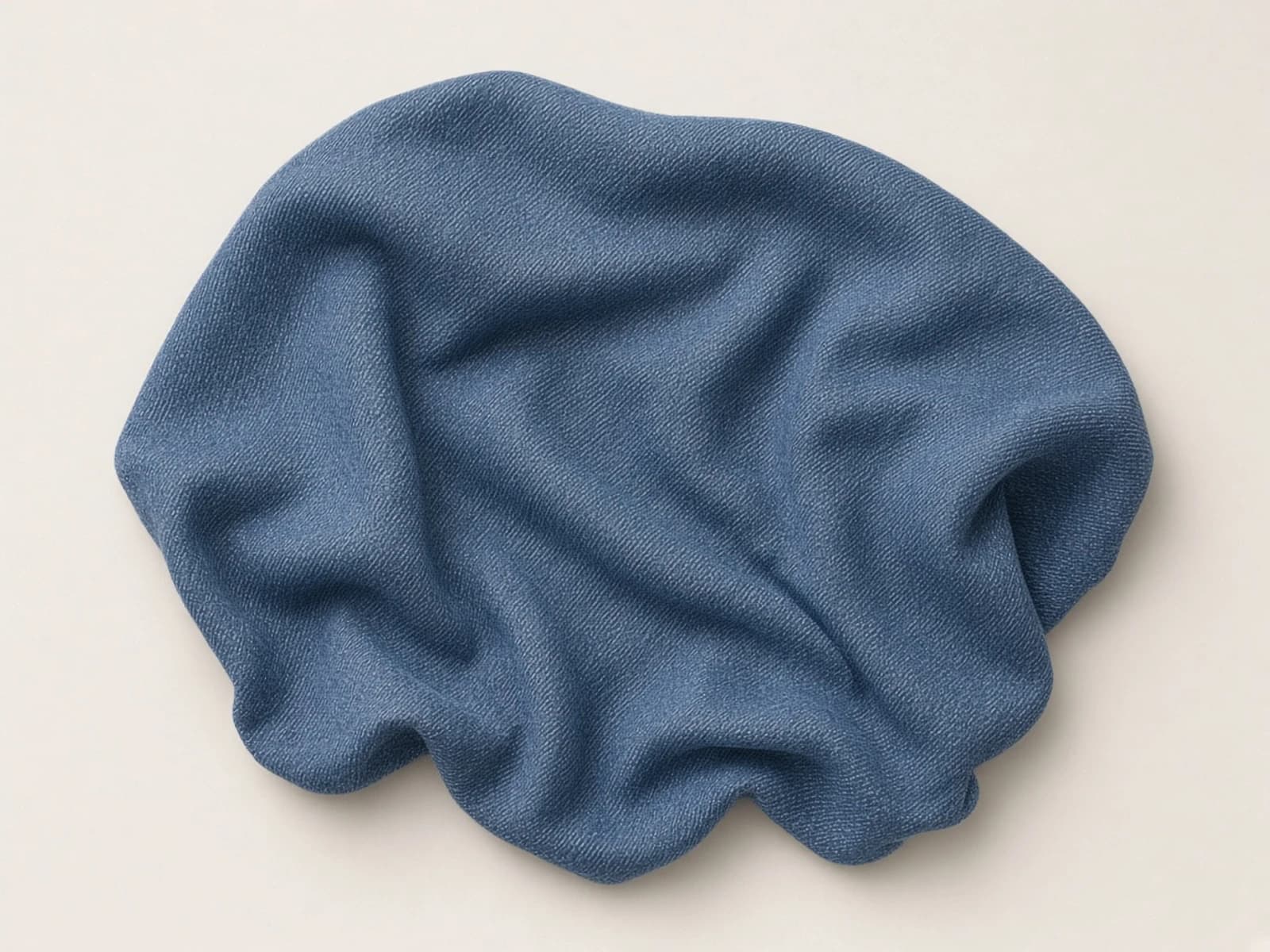
Manufacturing fabric choice favours cloths that can be described and repeated: one construction, one weight target, one width. Novelty texture is welcome when it is the product, and a risk when it is an accident of one sample.
Manufacturing fabric choice favours cloths that can be described and repeated: one construction, one weight target, one width. Novelty texture is welcome when it is the product, and a risk when it is an accident of one sample.
Why fabric for manufacturing changes the brief
A line that changes hand every lot cannot hold a fit standard. The public fabric page is the start of that standard, not the whole of it.
Shortlist from a collection, drop cloths that lack the spec field you need, and inquire with quantity. Keep a backup in the same construction rather than a different fibre that only matches the colour.
Using fabric for manufacturing on a real cloth
Choose the cloth your pattern room can already sew, unless you have time to retest needles, interlining and shrinkage.
Do not assume unpublished minimums. Ask. A discover page must not invent a factory minimum.
What to avoid with fabric for manufacturing
Do not assume unpublished minimums. Ask. A discover page must not invent a factory minimum.
Choose the cloth your pattern room can already sew, unless you have time to retest needles, interlining and shrinkage.
Keep the decision tied to fabric for manufacturing, not to a swapped synonym.
Use only specs published on the fabric page.
Inquire with quantity and end use when a cloth matches.
Frequently asked questions
Should manufacturing start from a trend page?
Use trend and collection pages for direction, then freeze a spec from a fabric page before production language.
Continue with published FabStitch fabrics
Open the marketplace or a related collection, compare the specs that are actually published, and inquire when a cloth matches the brief.