
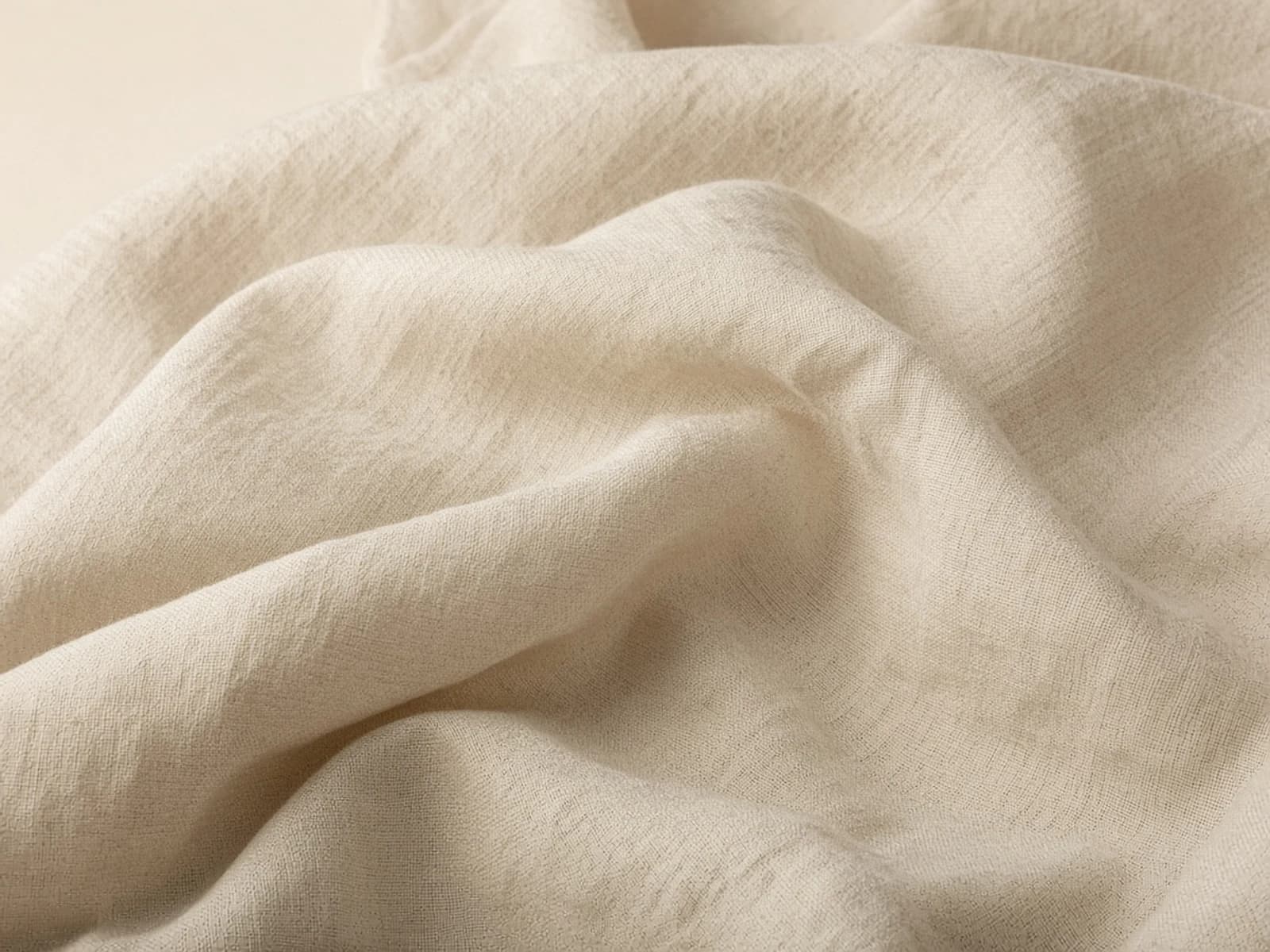
Fabric sourcing
Fabric sourcing for clothing lines and designers
Fabric sourcing is how clothing brands, designers and small labels turn a product brief into named cloth with documented specs — then inquire with clear quantity and use context.
Selection checks
What to decide before you shortlist cloth
Composition
Fibre content drives hand, care and performance. Only use what the fabric record states.
Construction
Woven, knit and specialty constructions behave differently in sewing, stretch and drape.
Weight / GSM
Published weight or measurement helps match season, opacity and silhouette — do not invent numbers.
Quantity & MOQ
Share metres or yards in the inquiry. Do not assume MOQs that the page does not publish.
Sampling
Sample when hand, opacity or stretch matter. Mention sample needs in your inquiry note.
Lead time & quality
Ask about timing and quality checks in follow-up. Public pages do not invent supplier lead times.
What fabric sourcing means
Fabric sourcing is the process of finding, evaluating and securing cloth for a clothing programme. It covers product brief, material shortlist, specification checks, sampling where needed, and commercial inquiry — not a single keyword search.
Brands and designers often ask where clothing companies get their fabric. In practice, teams use marketplaces, mills, agents and showrooms. FabStitch focuses on discovery with published composition, construction and Best For uses before you inquire — without exposing private supplier identities on the storefront.
- Start from the garment and constraints, not a fibre buzzword alone.
- Documented specs beat lifestyle language.
A practical fabric sourcing process
Write the brief: garment type, season, stretch or opacity needs, approximate metres, and any hard factory constraints you already know.
Discover on FabStitch through collections (material families), Best For edits (product-first), or marketplace search. Open product pages to compare composition, construction and published measurements.
Shortlist two or three named fabrics. Inquire with fabric name, quantity and garment context. Ask about sampling, lead time and commercial terms in that conversation — do not invent them onto the page.
- Keep the shortlist small enough to compare honestly.
- Inquiry notes replace missing commercial fields.
Sourcing fabrics for a clothing line
Clothing-line sourcing usually mixes everyday ready-to-wear cloth with a few signature materials. Use Best For edits for shirts, dresses, trousers, outerwear or tailoring when the silhouette is clear. Use collections when the fibre family is already decided.
Small businesses and boutique labels can share the same fabric records as larger brands; the inquiry note changes. State whether you are sampling, producing a capsule, or planning a broader run.
Raw materials for a clothing business include more than fashion cloth — linings, trims and packaging sit outside this page. Focus here on apparel fabric selection with documented properties.
Where designers and brands source online
Online fabric sourcing works when product pages carry real specifications and the inquiry path is clear. FabStitch is a fabric marketplace and sourcing website for that workflow: search, filter, compare named fabrics, then inquire.
If your brief is aesthetic-first, also read the fashion fabrics landing. If production language dominates, use the apparel fabric page. Everyday garment selection is covered on the clothing fabric page.
Fabric sourcing tips that stay honest
Prefer published weight and construction over photo mood. Ask about opacity, recovery and care when those properties are critical and not listed.
Do not claim certifications, MOQs, prices or supplier counts that the fabric page does not state. FabStitch keeps the storefront free of invented commercial theatre.
Connect discovery to education: weight/GSM guides and buying-online guides support the same path without duplicating this page.
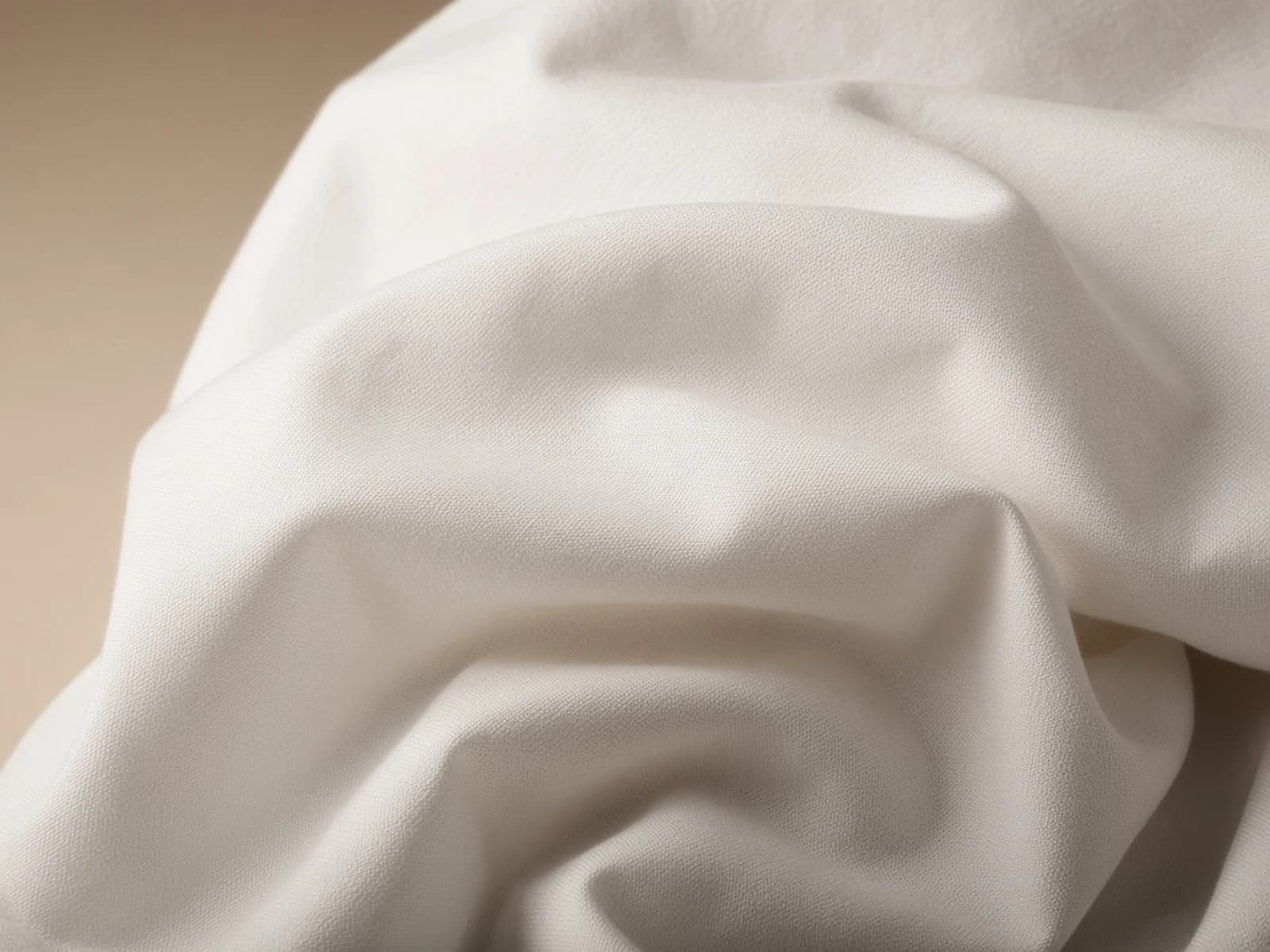
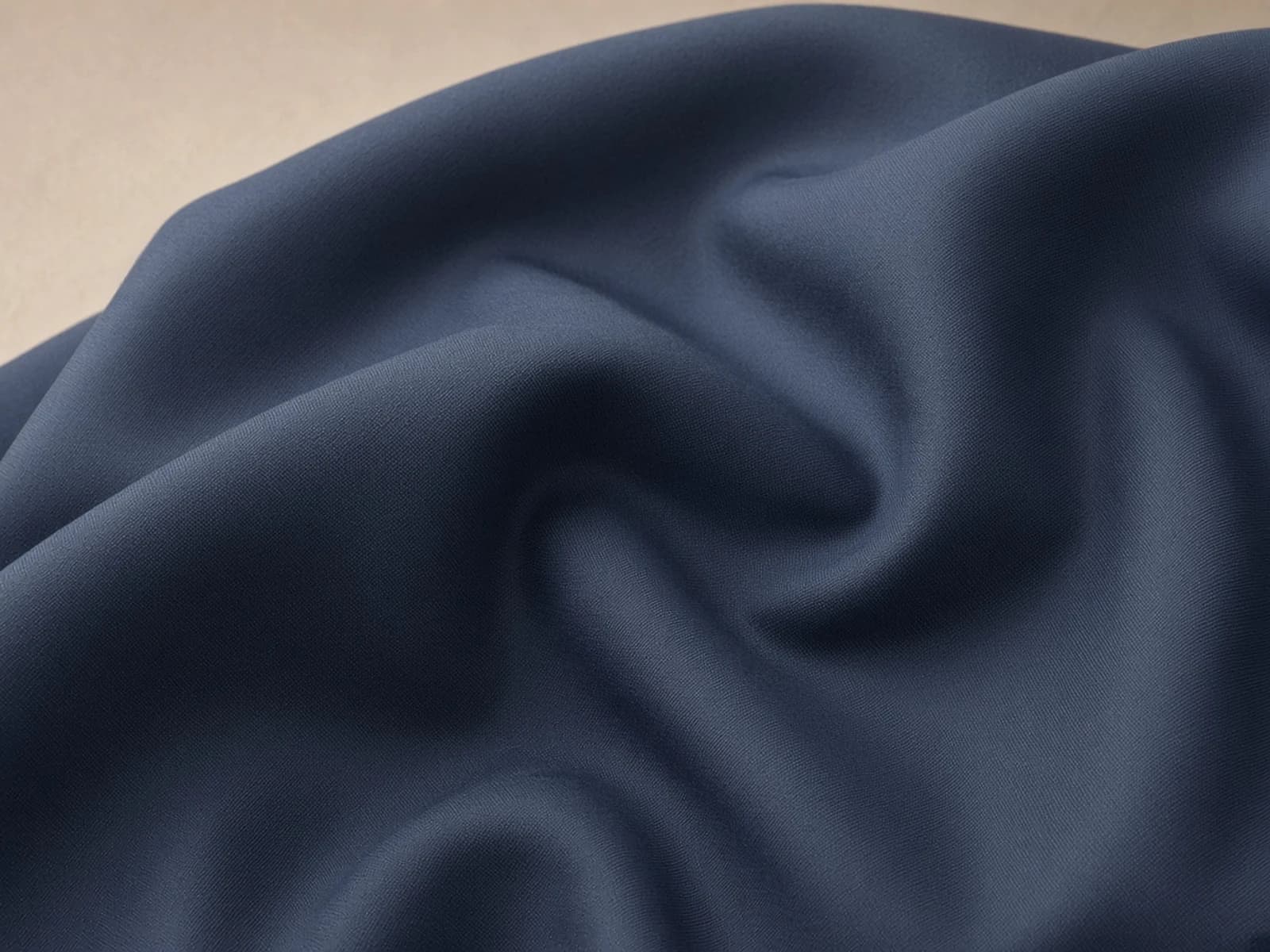
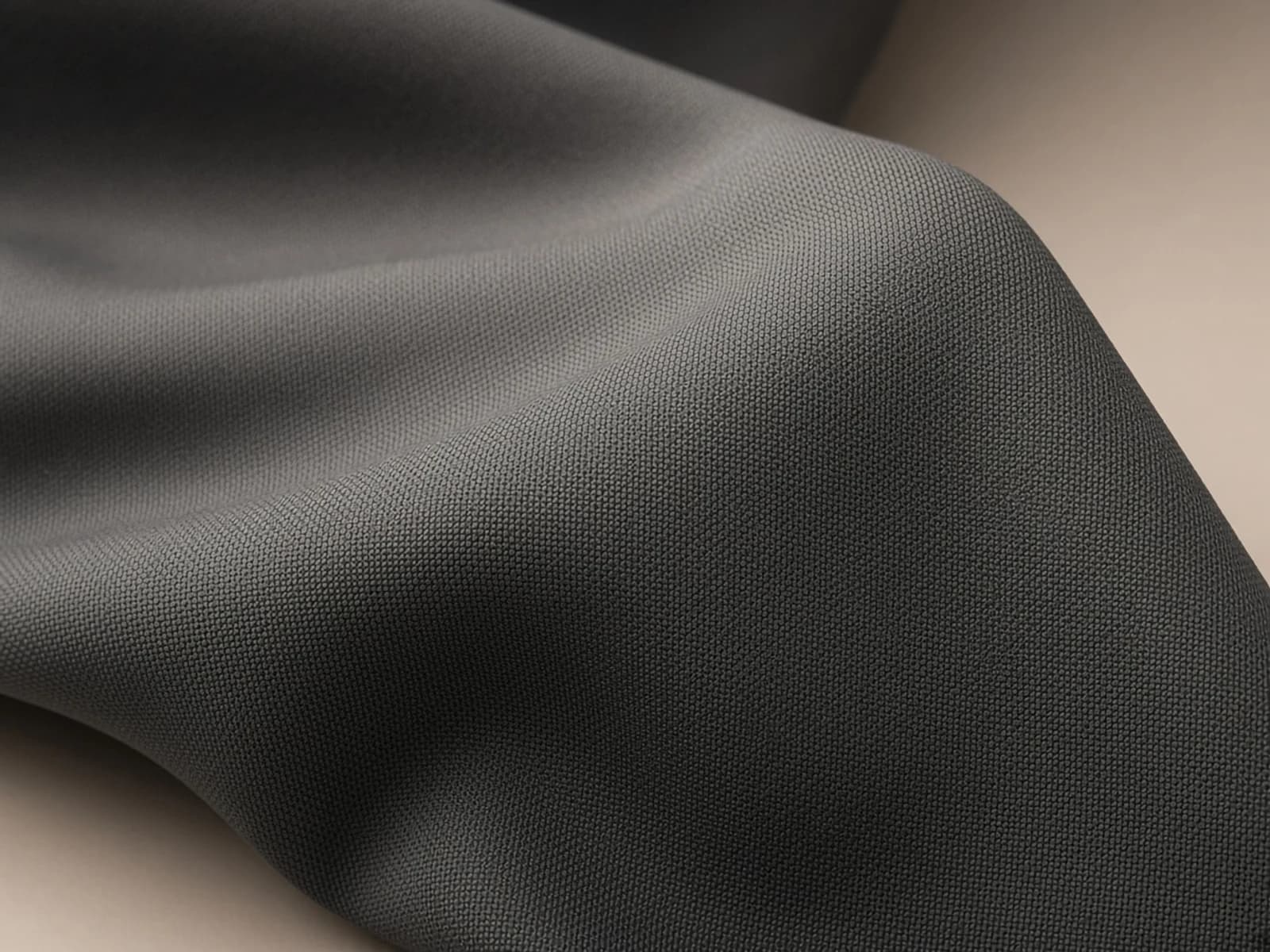
Relevant FabStitch fabrics
Named fabrics from the published catalog. Open a product page for composition, construction and inquiry.

Frequently asked questions
- What is fabric sourcing?
- Fabric sourcing is finding and evaluating cloth for a clothing or apparel programme, then moving from a shortlist to sampling and commercial inquiry with clear quantity and use context.
- Where do clothing brands get their fabric?
- Brands use a mix of marketplaces, mills, agents and showrooms. On FabStitch, you discover named fabrics with published specs, then inquire — supplier identities are not exposed on the public storefront.
- How do I source fabric for a clothing line on FabStitch?
- Define the garment brief, browse collections or Best For edits, open product pages to compare composition and construction, then inquire with metres and garment context.
- Does FabStitch publish MOQs and prices on fabric pages?
- Only documented catalog fields appear on fabric pages. Quantity, MOQ and commercial terms belong in the inquiry follow-up when they are not published.
Next step
Ready to source named fabrics?
Search the marketplace, compare documented specs, and inquire with quantity and garment context.