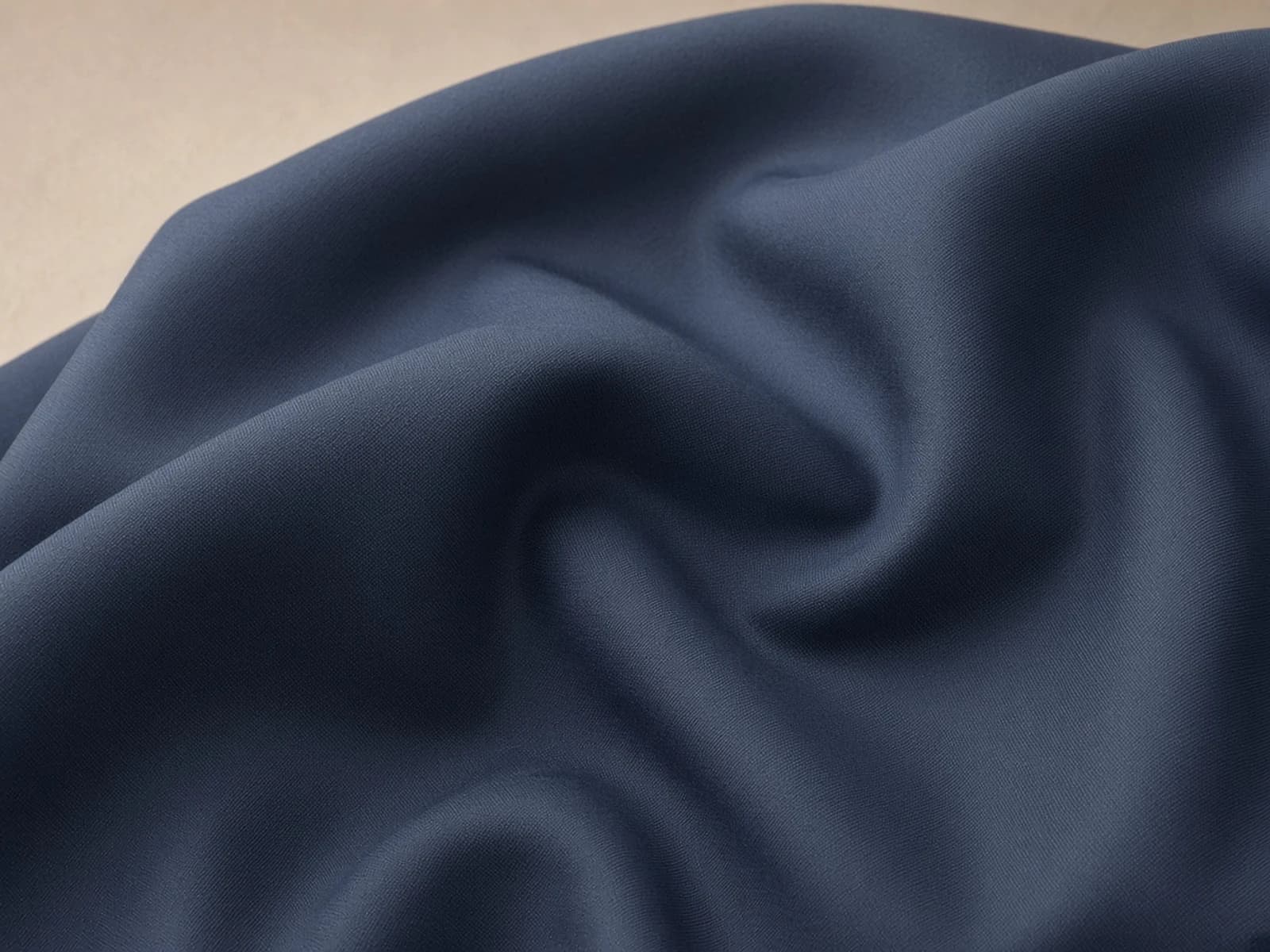
Loading fabrics
Apparel fabric sourcing is a manufacturing brief. Define product, quantity band and constraints first, then shortlist named cloths with published specifications — not lifestyle language.
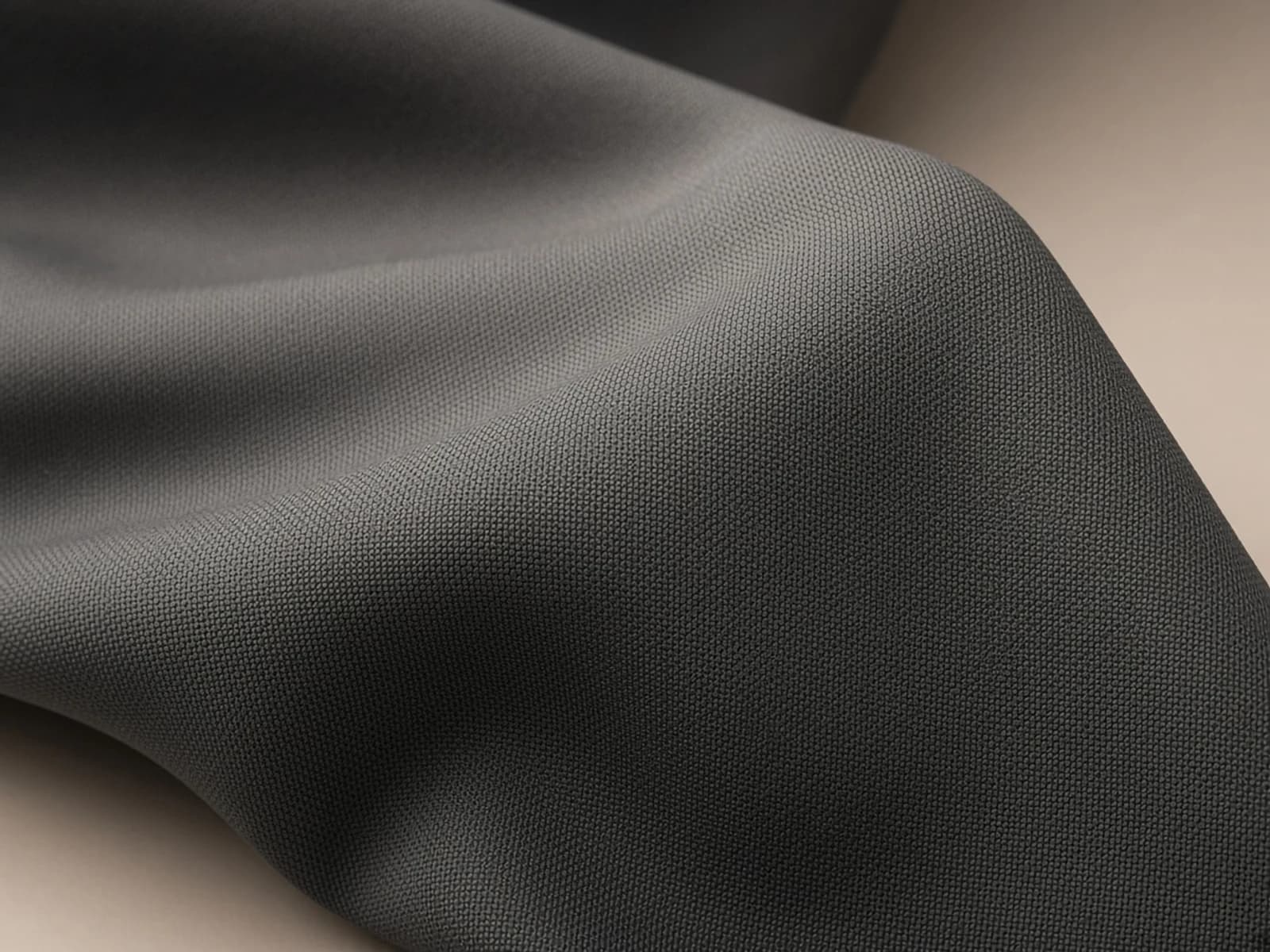
Apparel teams waste sampling cycles when the brief is “nice cotton” without silhouette, stretch needs, opacity, finishing route or approximate metres. A workable brief names the garment category, season, and any hard constraints the factory already knows.
FabStitch is built for that workflow: Best For groups fabrics already documented for a use, collections group material families, and product pages keep composition and construction visible before inquiry.
Treat this page as the production-oriented companion to clothing fabric discovery. If you are still choosing cloth for a single silhouette without factory language, start on the clothing page instead.
Beyond aesthetics, apparel production cares about consistency of hand, weight tolerance language when stated, construction behaviour under sewing, and whether stretch or recovery is actually documented. Performance, knitwear and denim programmes each bring different risk profiles.
Use the Performance collection for next-to-skin and technical directions, Tailoring for soft suiting weaves, and Denim for weight-separated denim records. Open related Best For edits when the garment category is already fixed.
Garment fabric decisions for brands also include how the cloth will behave after washing or finishing routes your factory already runs. If those constraints are not on the fabric page, put them in the inquiry rather than assuming from imagery.
Clothing brands, private-label programmes and cut-and-sew partners can share the same fabric record while asking different follow-up questions. Brands often need colour, hand and silhouette fit; manufacturers often need run size, timing and sewing behaviour.
Keep the public page honest: FabStitch shows documented composition and construction. Commercial terms that are not published stay in the inquiry thread.
When the shortlist is ready, inquire with fabric name, quantity, garment and timing context you can share. Do not claim certifications, MOQs or prices that the fabric page does not state.
Boutiques and manufacturers can share the same fabric record; the inquiry note changes. Manufacturers often need clearer run size and timeline language, while smaller brands may need smaller quantity context.
Continue in the marketplace for filtered discovery across the catalog, or open the clothing fabric landing page if the brief is still consumer-garment oriented rather than production-led. Fashion fabric landing pages support aesthetic and collection-building intents.
Guides on buying fabric online and sourcing for clothing brands explain the inquiry path without inventing commercial terms. Activewear and composition guides help when performance constraints dominate.
Named fabrics from the published catalog. Open a product page for composition, construction and inquiry.