

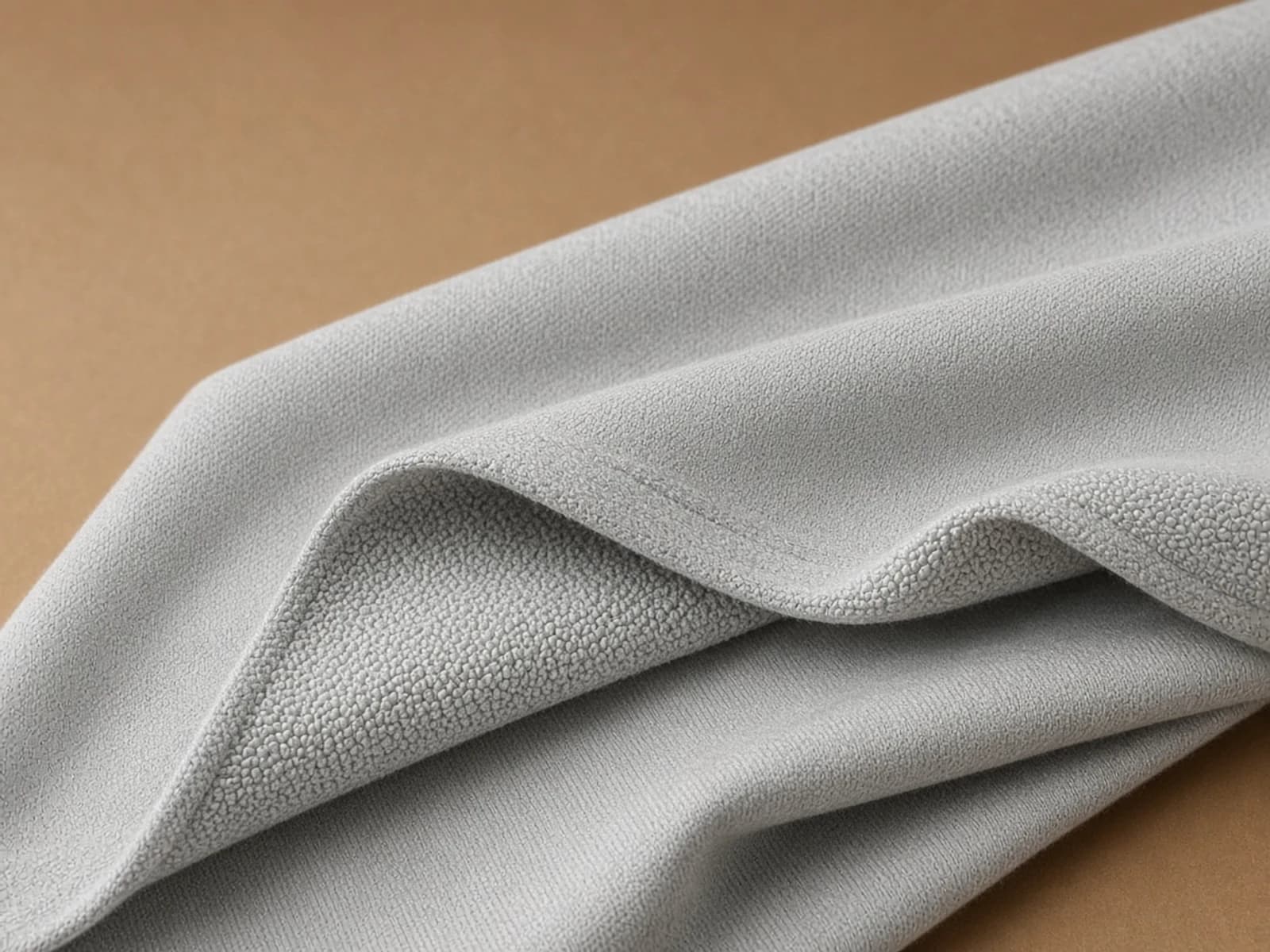
Knitwear
Lightweight French Terry
Knitwear — the year-round shift
- Weight
- Not stated
- Construction
- Not stated
- Season
- Core
Best for BaselayersBest for Knitwear
Family
ExploreKnitwear — the year-round shift
Fabric marketplace
Buy fabric online through a B2B textile marketplace built for clear specs: search FabStitch by fiber, construction, season, weight, or what you are making. Open a fabric for composition and construction, then inquire when the material fits.
24 shown
A fabric marketplace, on FabStitch, is the commercial catalog: search, open a fabric, and inquire. Topic pages around it explain one search question. They are not a second catalog and they do not add a price, a certificate, or a supplier count.
Knitwear
Knitwear — the year-round shift
Knitwear — the year-round shift
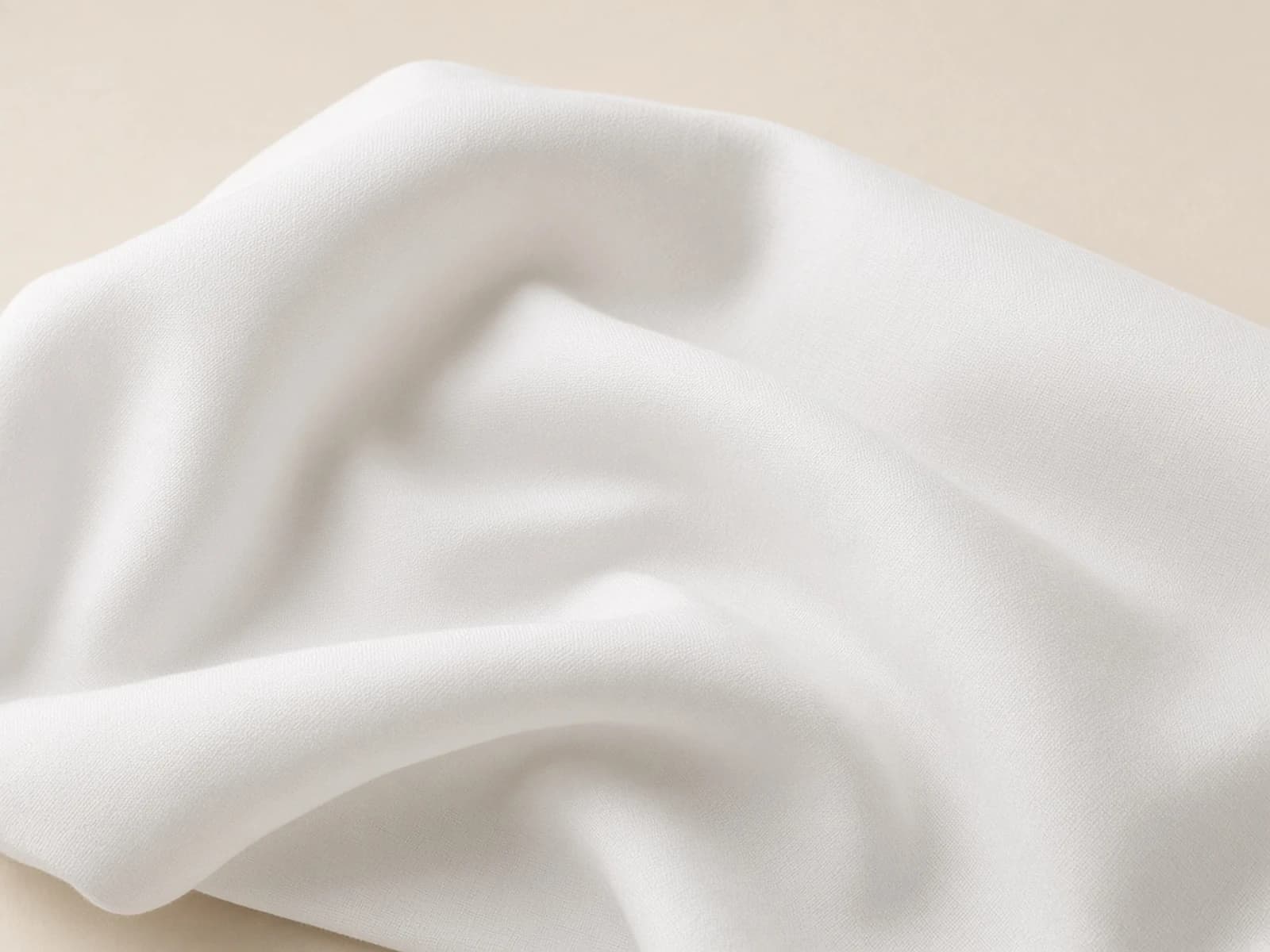
Cotton
Lightweight
Cotton — light, open, textured
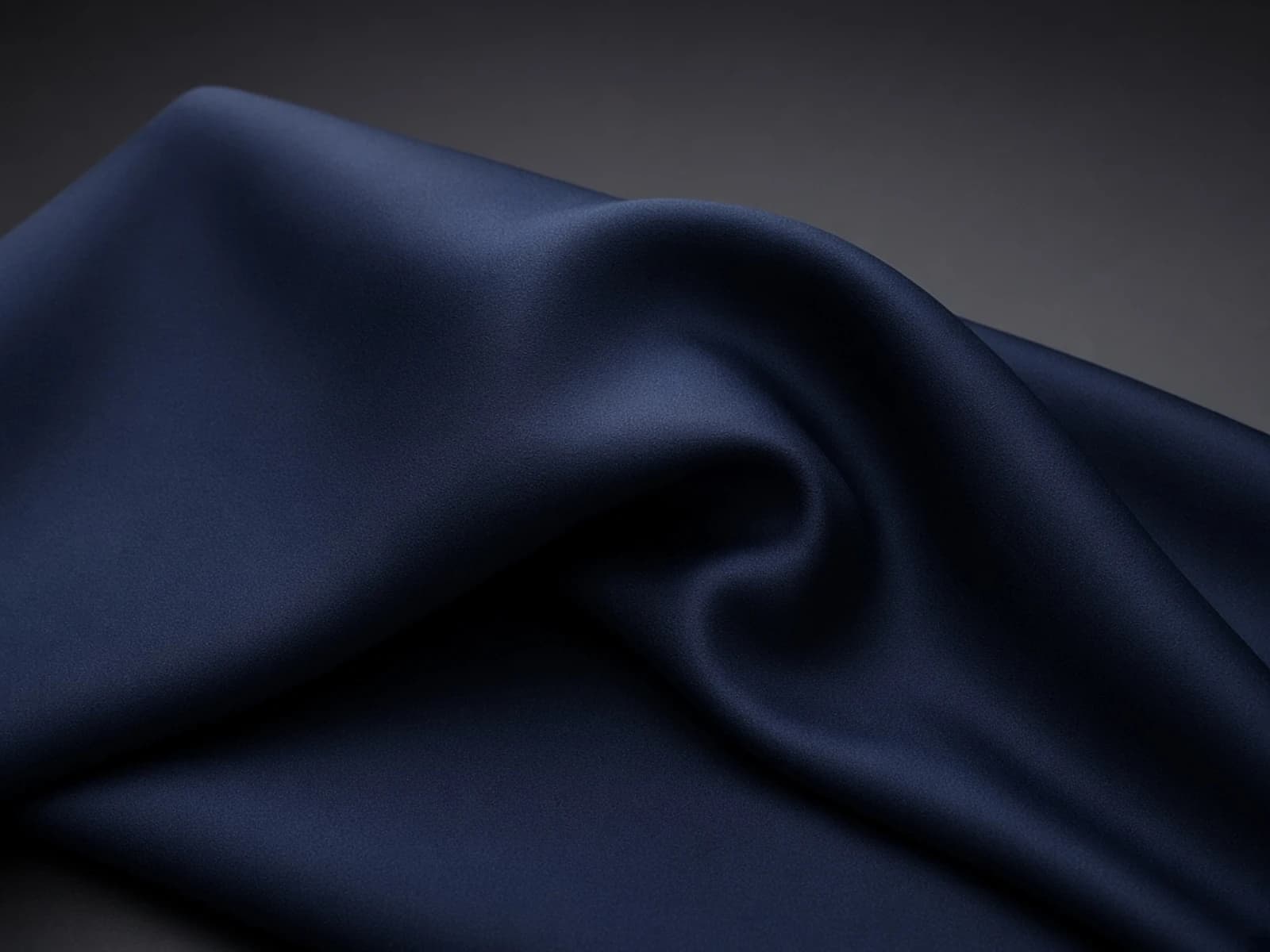
Knitwear
Knitwear — the year-round shift
Knitwear — the year-round shift
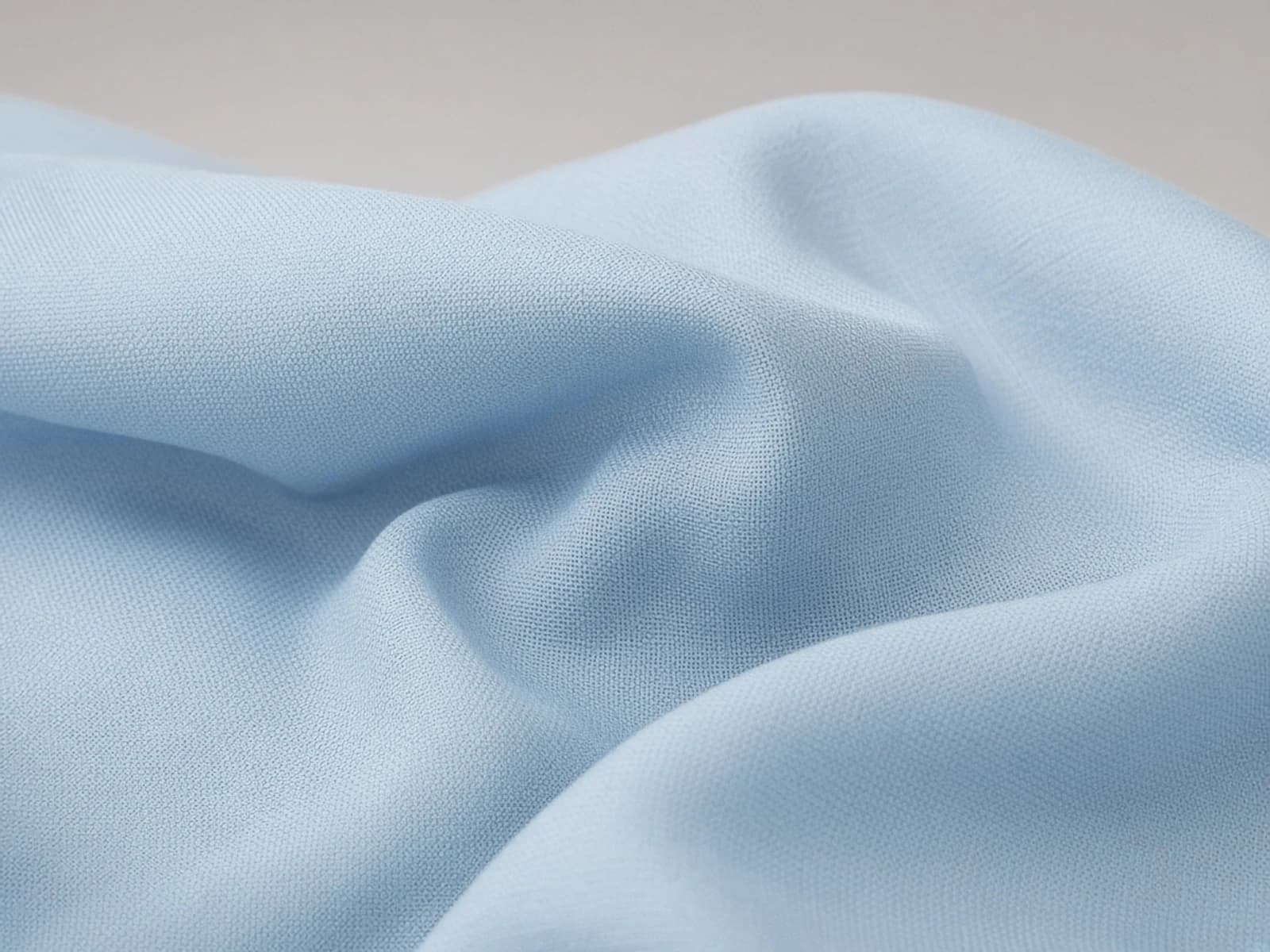
Linen Lightweight
Linen and linen blends
Linen and linen blends
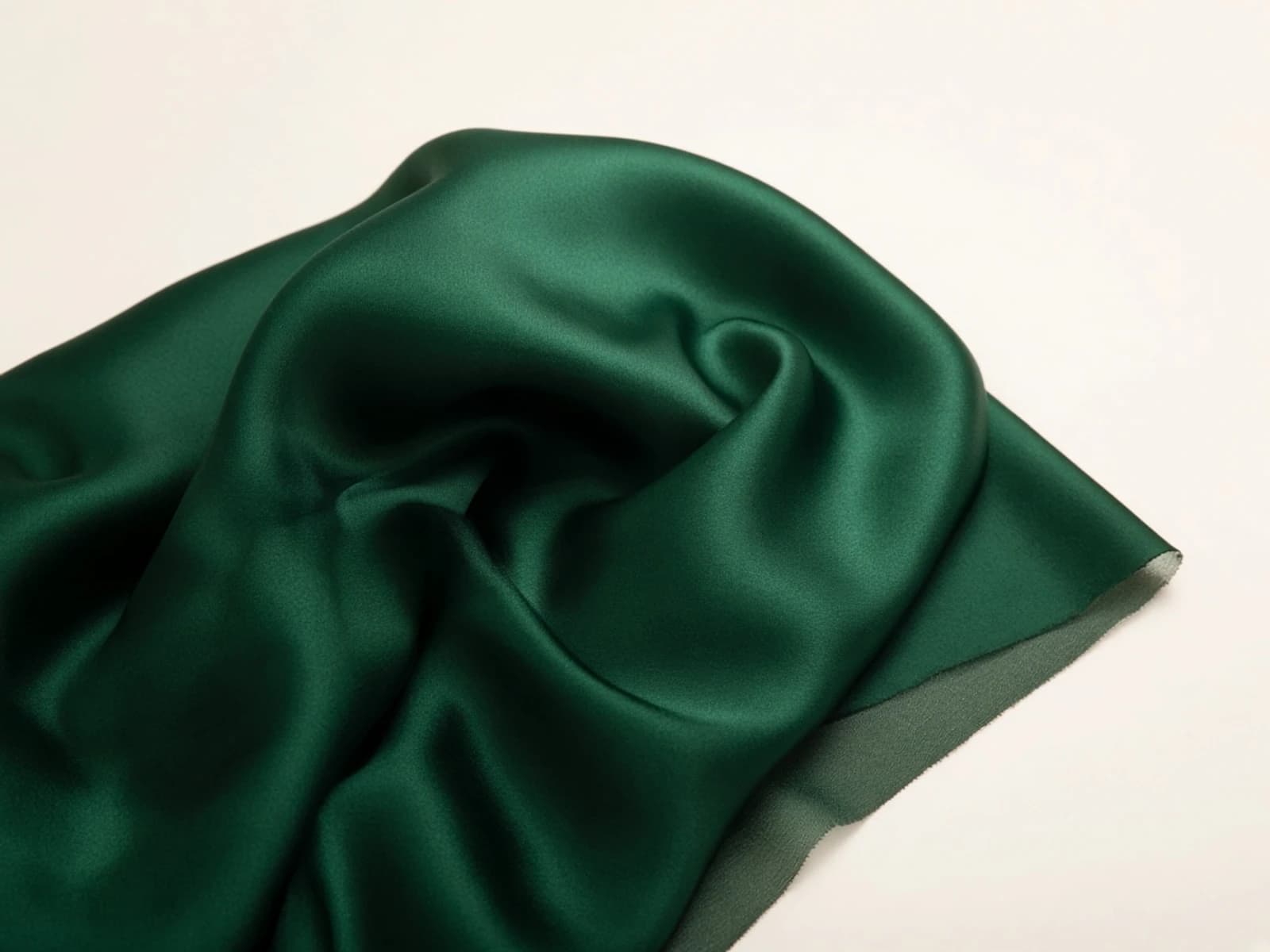
Silk Sheer
Silk and the ethereal group
Silk and the ethereal group
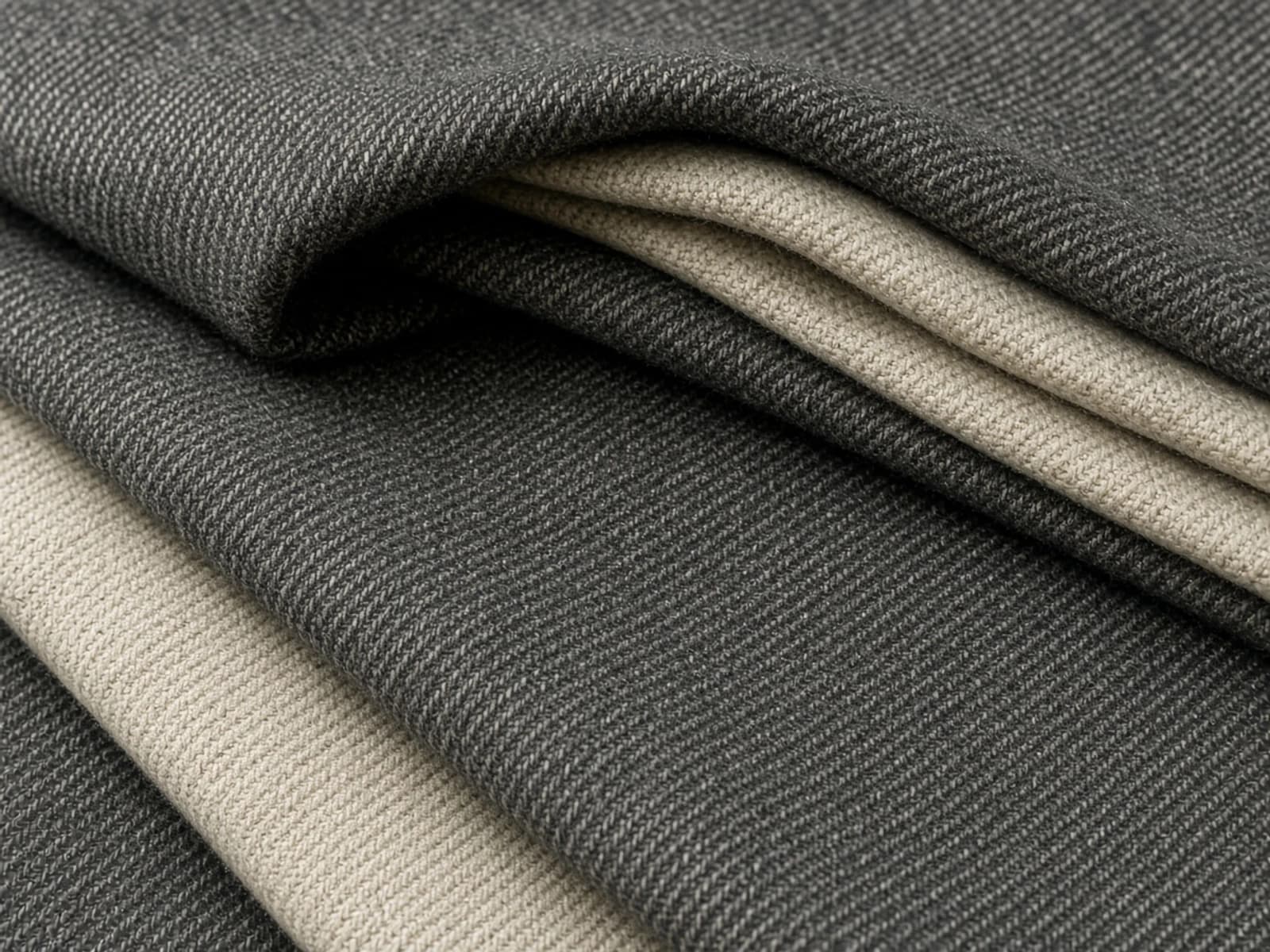
Tailoring
Summer wools and tailoring
Summer wools and tailoring
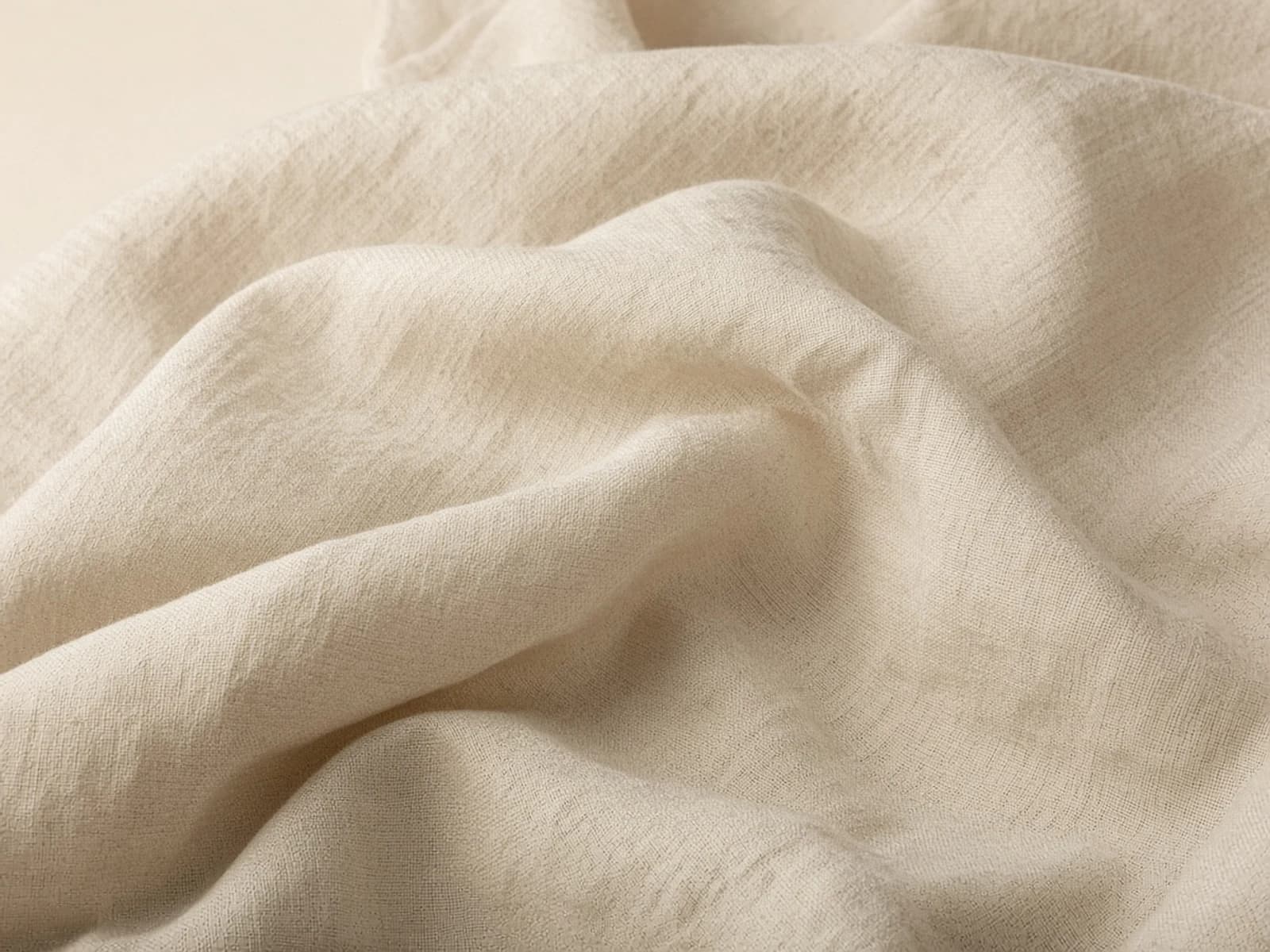
Linen Lightweight
Midweight
Linen and linen blends
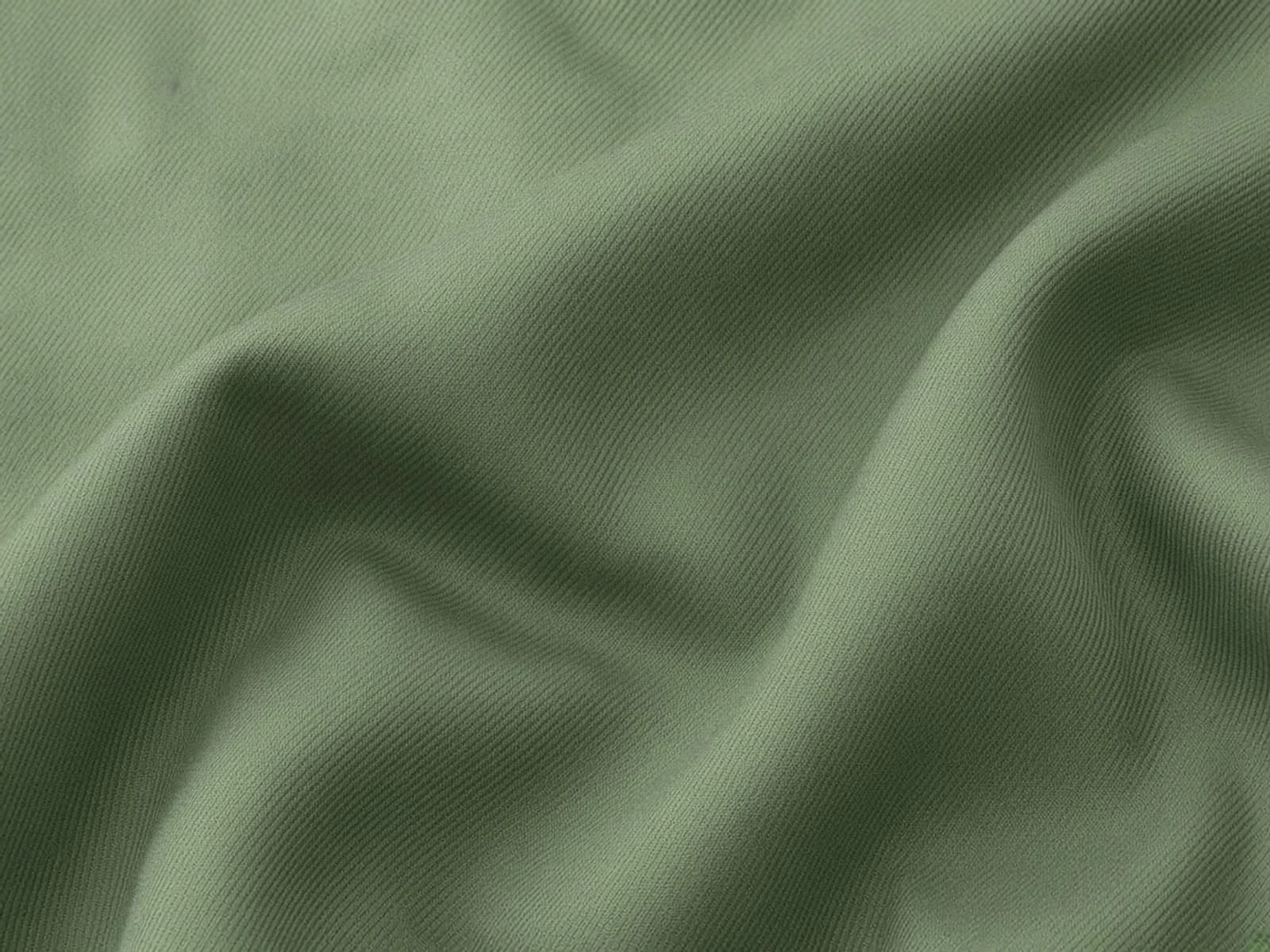
Linen Lightweight
Linen and linen blends
Linen and linen blends

Linen Lightweight
Midweight
Linen and linen blends
Cotton
Midweight
Cotton — light, open, textured
Knitwear
Knitwear — the year-round shift
Knitwear — the year-round shift
Knitwear
Knitwear — the year-round shift
Knitwear — the year-round shift

Silk Sheer
Silk and the ethereal group
Silk and the ethereal group
Tailoring
Summer wools and tailoring
Summer wools and tailoring
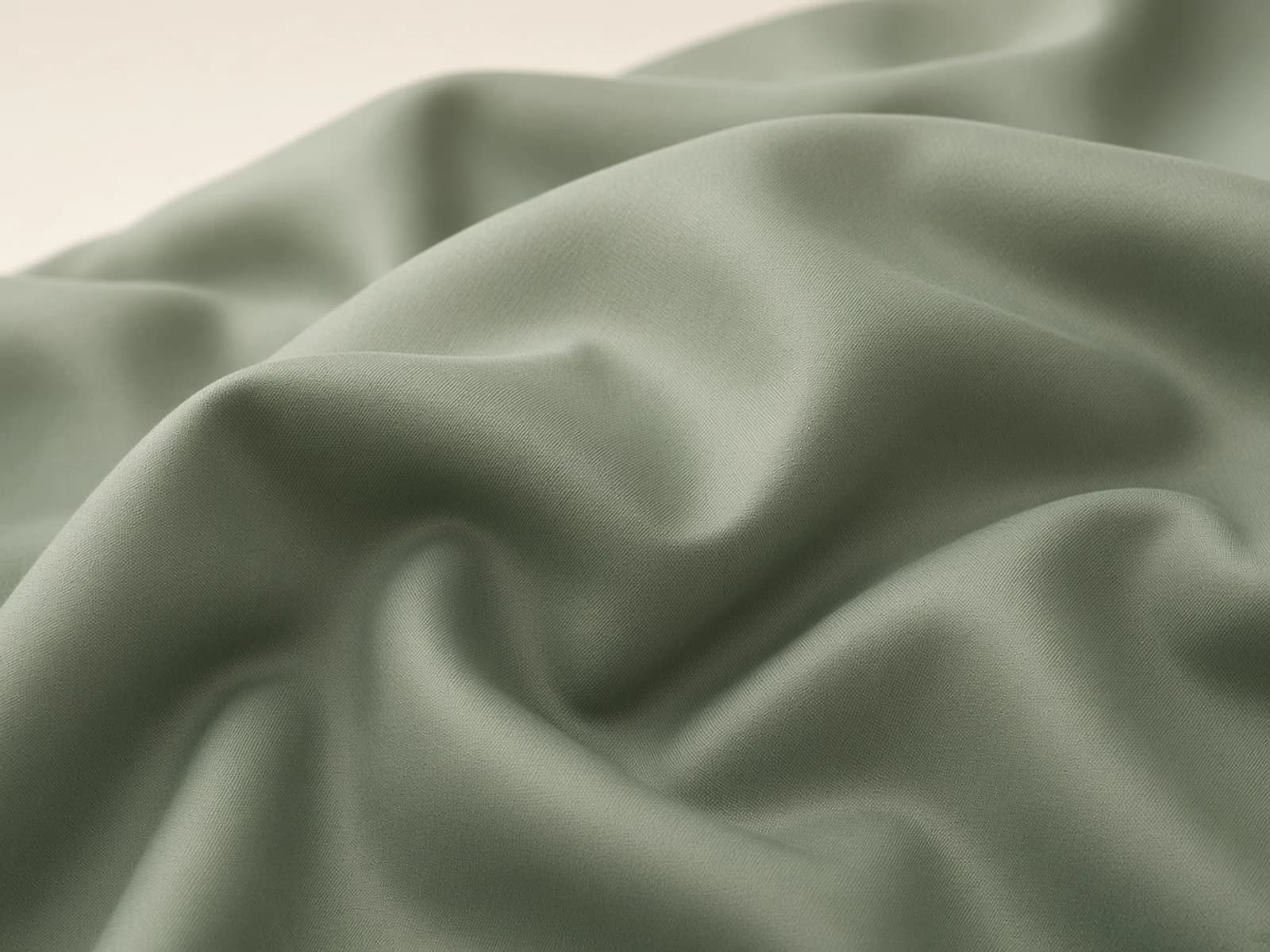
Cotton
Midweight
Cotton — light, open, textured
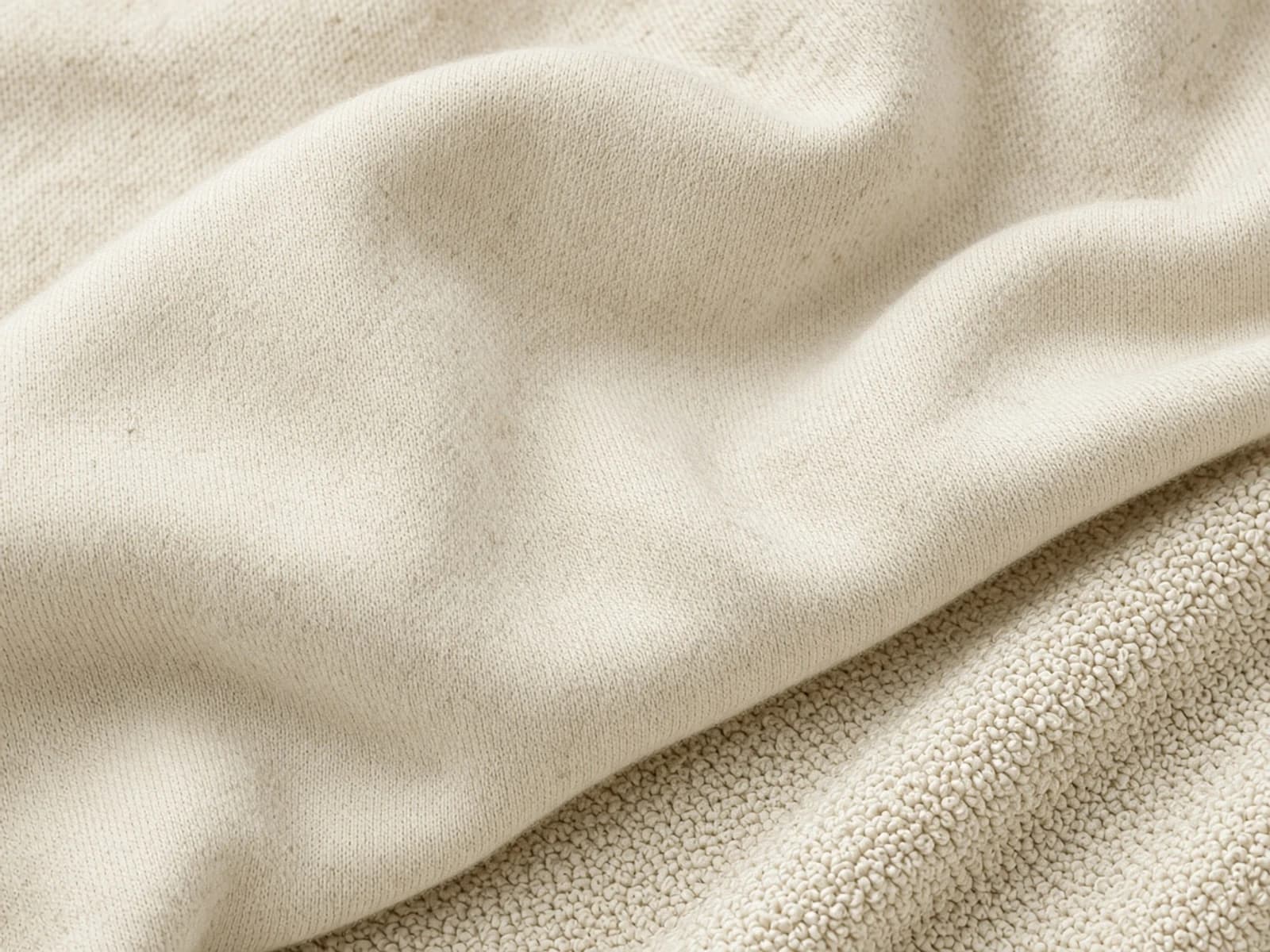
Knitwear
Knitwear — the year-round shift
Knitwear — the year-round shift
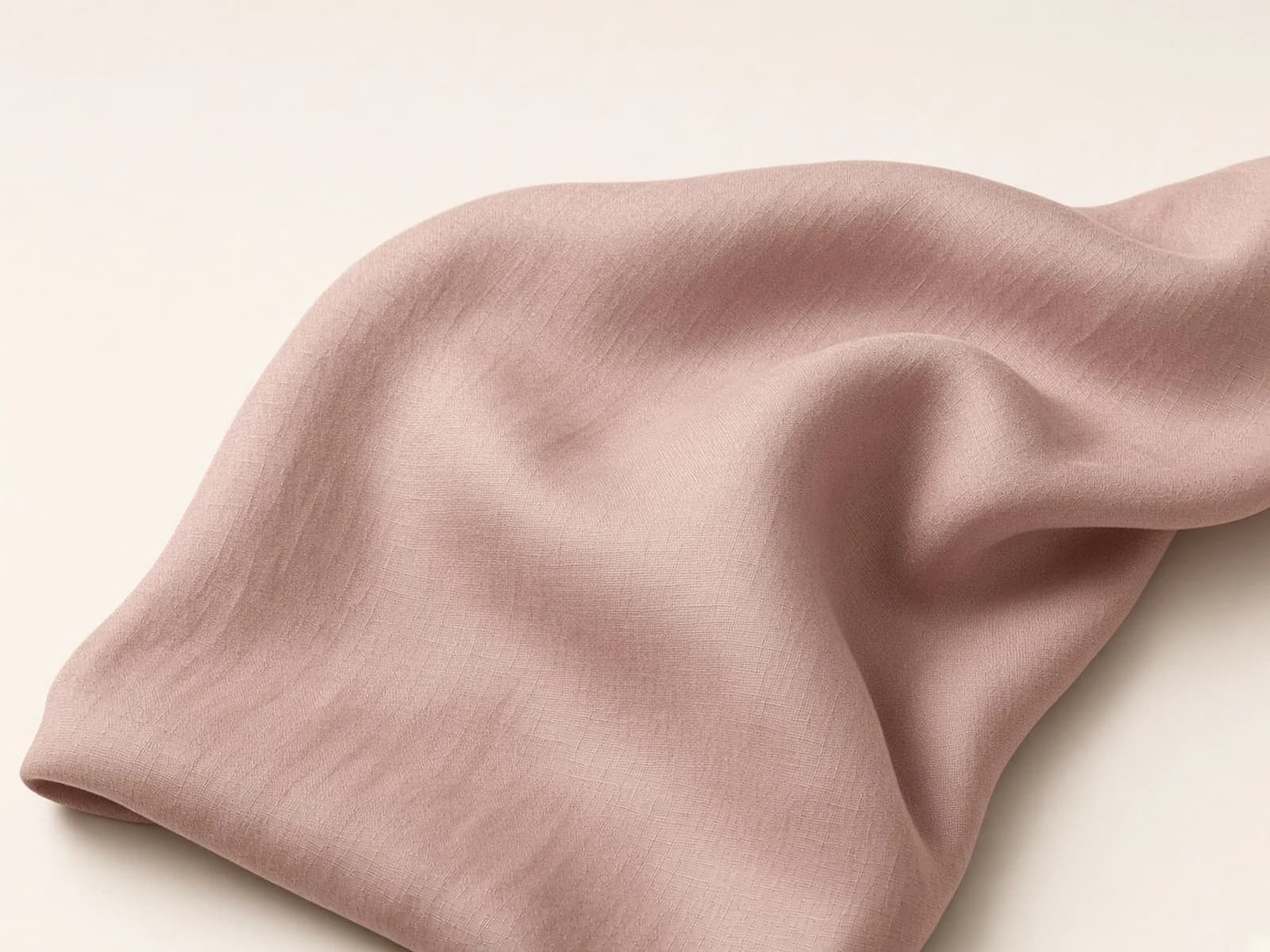
Linen Lightweight
Midweight
Linen and linen blends
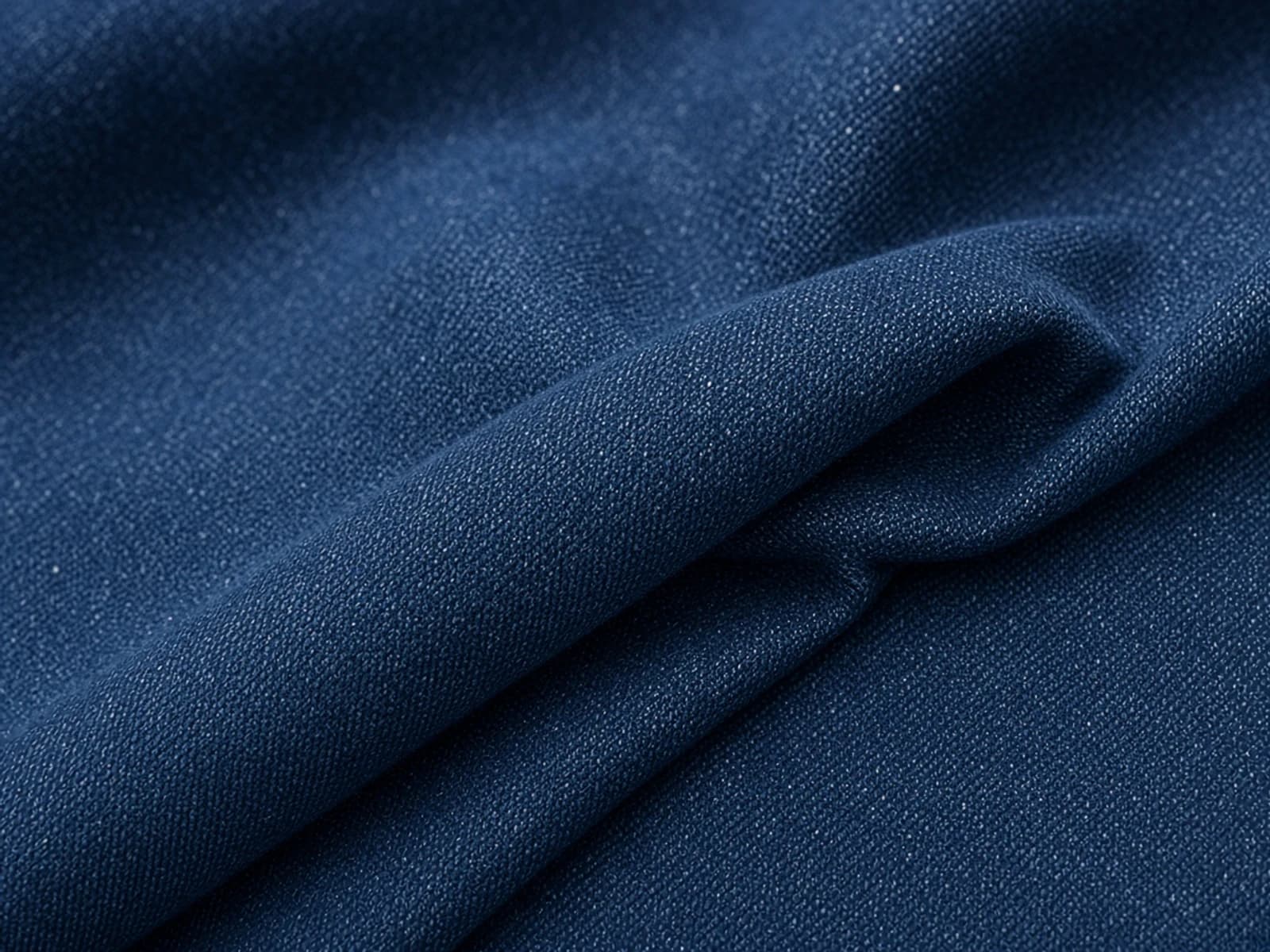
Linen Lightweight
Linen and linen blends
Linen and linen blends
Knitwear
Knitwear — the year-round shift
Knitwear — the year-round shift
Silk Sheer
Silk and the ethereal group
Silk and the ethereal group
Tailoring
Summer wools and tailoring
Summer wools and tailoring
Tailoring
Summer wools and tailoring
Summer wools and tailoring
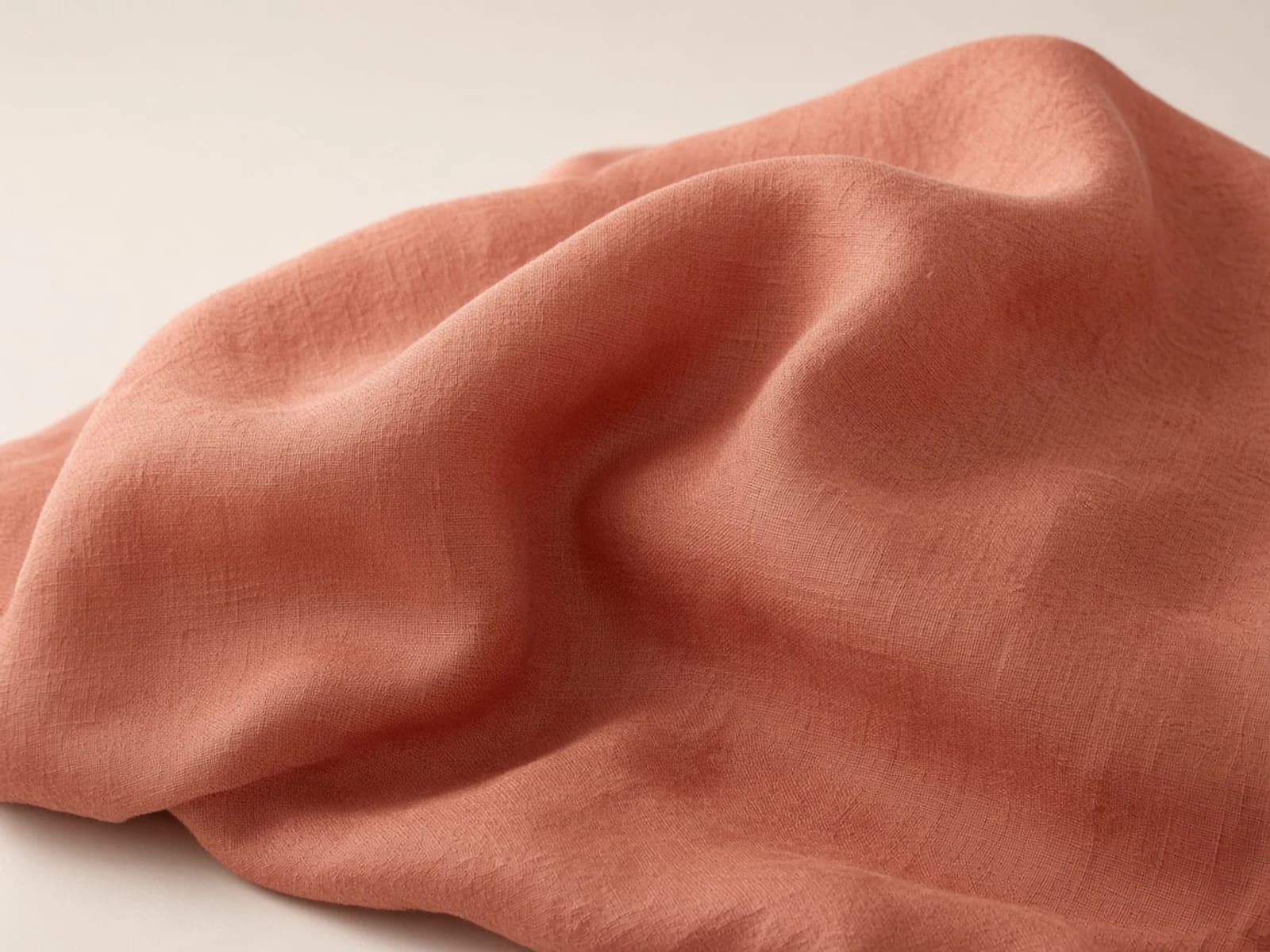
Linen Lightweight
Midweight
Linen and linen blends
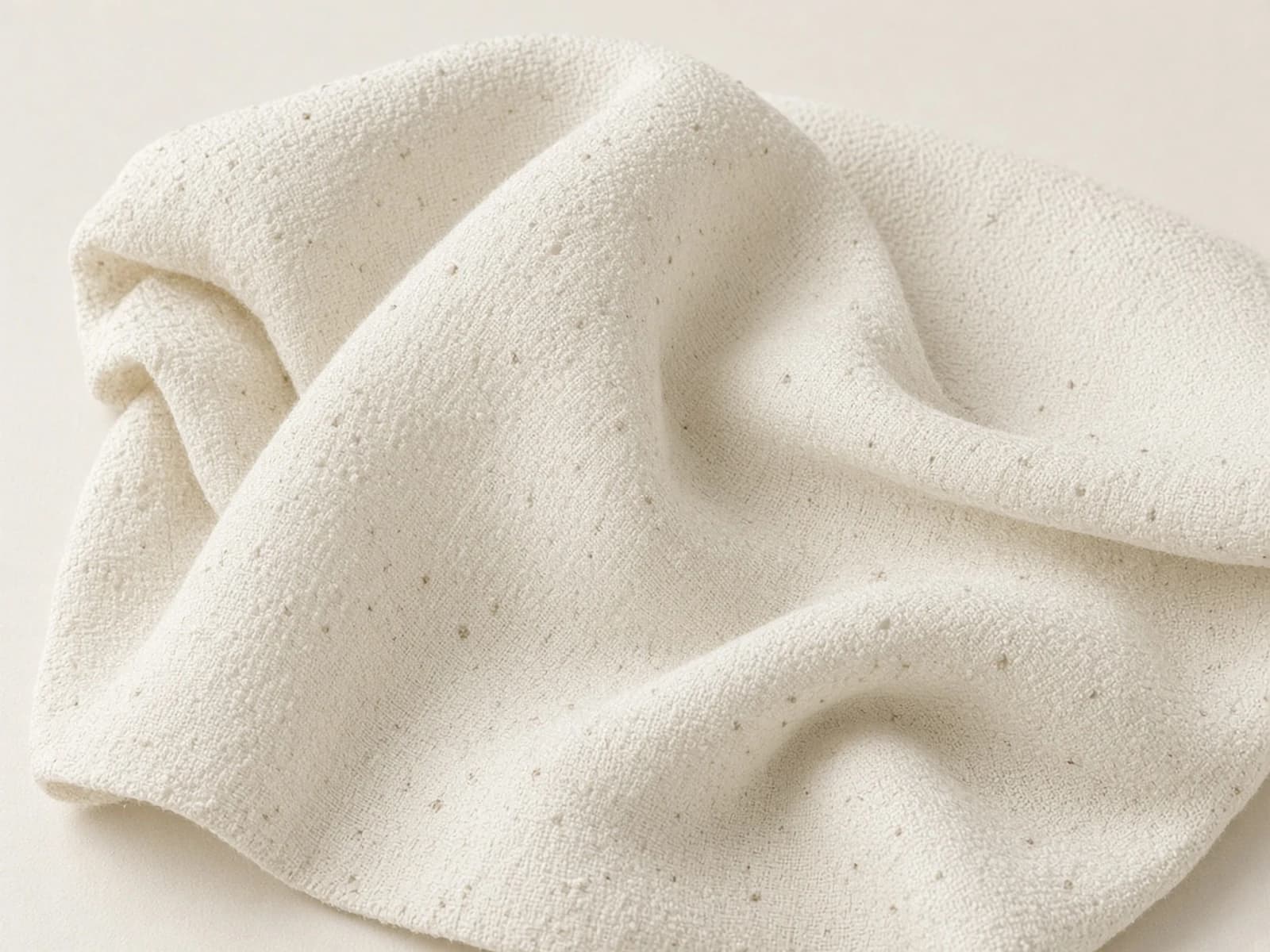
Silk Sheer
Midweight
Silk and the ethereal group
Buyers typically arrive with a material, a garment, or a weight band. Search supports material, construction, season, and Best For use. Keep one construction in view before you compare GSM. Heavier is not better, and a fibre name is not a construction.
Collections group cloth by material direction, such as cotton, linen, silk, denim, or technical outerwear. Best For edits group the same catalog by garment. Use both, then return here to see the published fabrics. Share the marketplace URL or a specific fabric URL. Filtered states are not the address to send.
Evaluation is the fabric page: composition, construction, stated weight, and documented uses. Leave a cell blank if that page leaves it blank. Guides on GSM, cotton versus linen, and woven versus knit are there when the brief needs the definition before the shortlist.
Business use is a sourcing workflow, not a checkout promise. Discover the cloth, read the specification, choose the quantity you actually need, and submit an inquiry on that fabric. The marketplace does not invent inventory, lead time, or a factory minimum.
Related reading sits in the topic directories below: materials, comparisons, use cases, weight, and buyer roles. Open one note, then come back to the catalog. The note explains the question. The fabric page is the cloth.
A practical pass looks like this: search by material or use, open two fabric pages, compare the published composition and construction, and inquire on one URL. Topic notes under this page explain the question. They are not extra products.
Collections and Best For edits are the two ways to narrow the same catalog. Use the one that matches whether you started from a fibre or from a garment, then come back here if you still need to search.
01
Start with one constraint. Collections group a material. Best For groups a garment. Search here when you want the published cards.
02
Read composition and construction before colour. Compare two fabrics on the same fields. Leave a spec blank if the page does not state it.
03
Hold the garment still and read the same cells on each fabric page. A comparison guide explains the difference. It does not replace those pages.
04
Send the inquiry on the fabric URL you chose, with the quantity you need. This catalog does not quote a price, a lead time, or a factory minimum.
Fibre comparisons and material essays stay on their own pages in fabric discovery and collections, so this catalog remains the commercial URL.