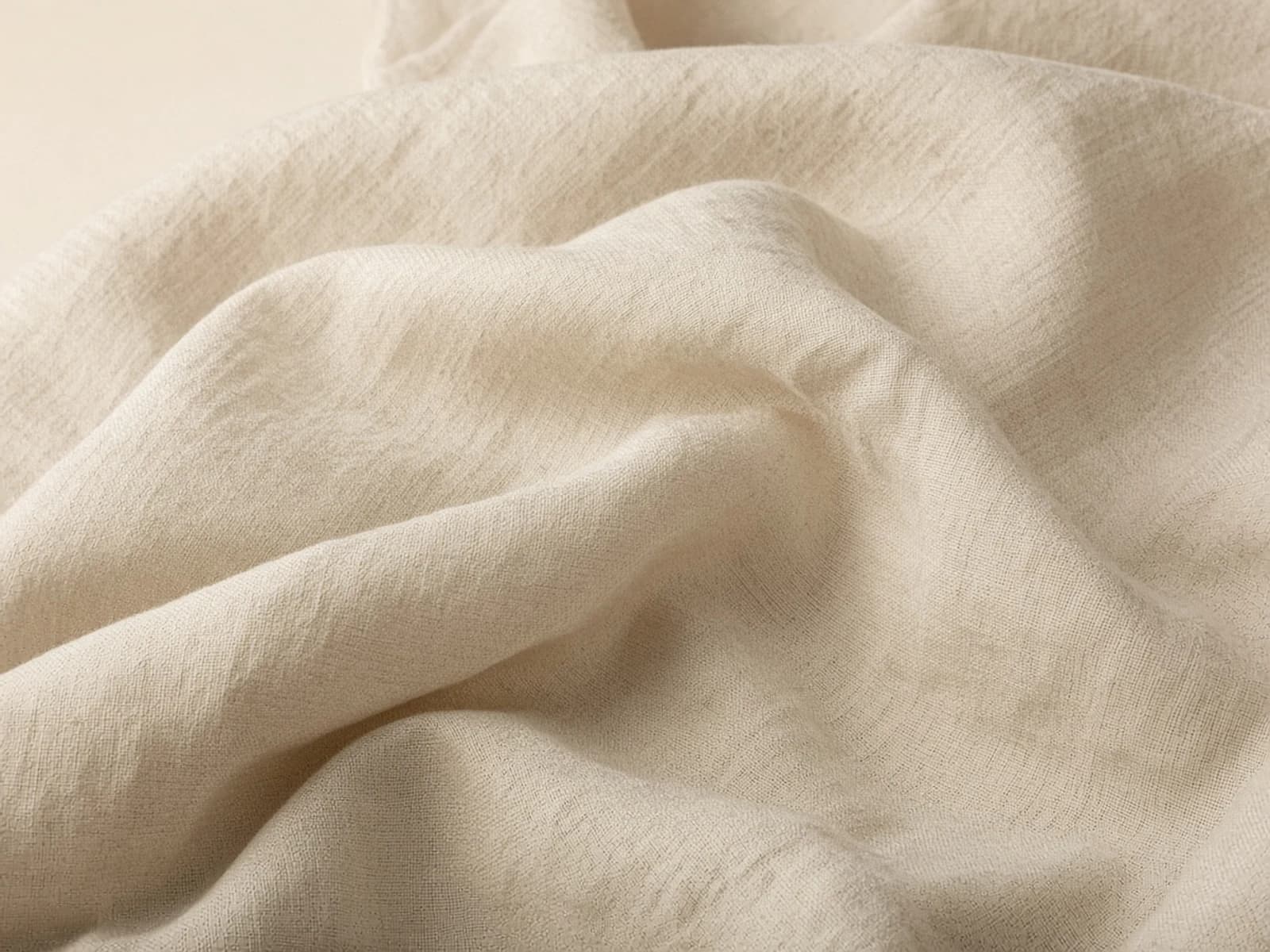
In clothing, GSM influences how a cloth hangs, how warm it feels, and how much it covers. It does not by itself decide luxury. A light silk and a light cotton can share a low GSM and dress a body in different ways.
In clothing, GSM influences how a cloth hangs, how warm it feels, and how much it covers. It does not by itself decide luxury. A light silk and a light cotton can share a low GSM and dress a body in different ways.
Why GSM and clothing changes the brief
Designers argue about season. Pattern makers argue about support. GSM is the shared number that lets both conversations meet, if construction is held constant.
Look at shirt and dress Best For pages, then open fabrics and compare published weights. Note when a page gives a range instead of a point value.
Using GSM and clothing on a real cloth
Use GSM to reject cloths that are obviously too heavy or too light for the garment, then decide the final cloth on hand and opacity.
Do not copy a GSM from a knit tee onto a woven shirt pattern. The clothing category and the construction both have to match.
What to avoid with GSM and clothing
Do not copy a GSM from a knit tee onto a woven shirt pattern. The clothing category and the construction both have to match.
Use GSM to reject cloths that are obviously too heavy or too light for the garment, then decide the final cloth on hand and opacity.
Keep the decision tied to GSM and clothing, not to a swapped synonym.
Use only specs published on the fabric page.
Inquire with quantity and end use when a cloth matches.
Frequently asked questions
Is there one GSM for summer clothing?
No. Summer shirts, dresses and linings sit in different ranges. Read the fabric page for the cloth you are actually considering.
Continue with published FabStitch fabrics
Open the marketplace or a related collection, compare the specs that are actually published, and inquire when a cloth matches the brief.