Loading topic
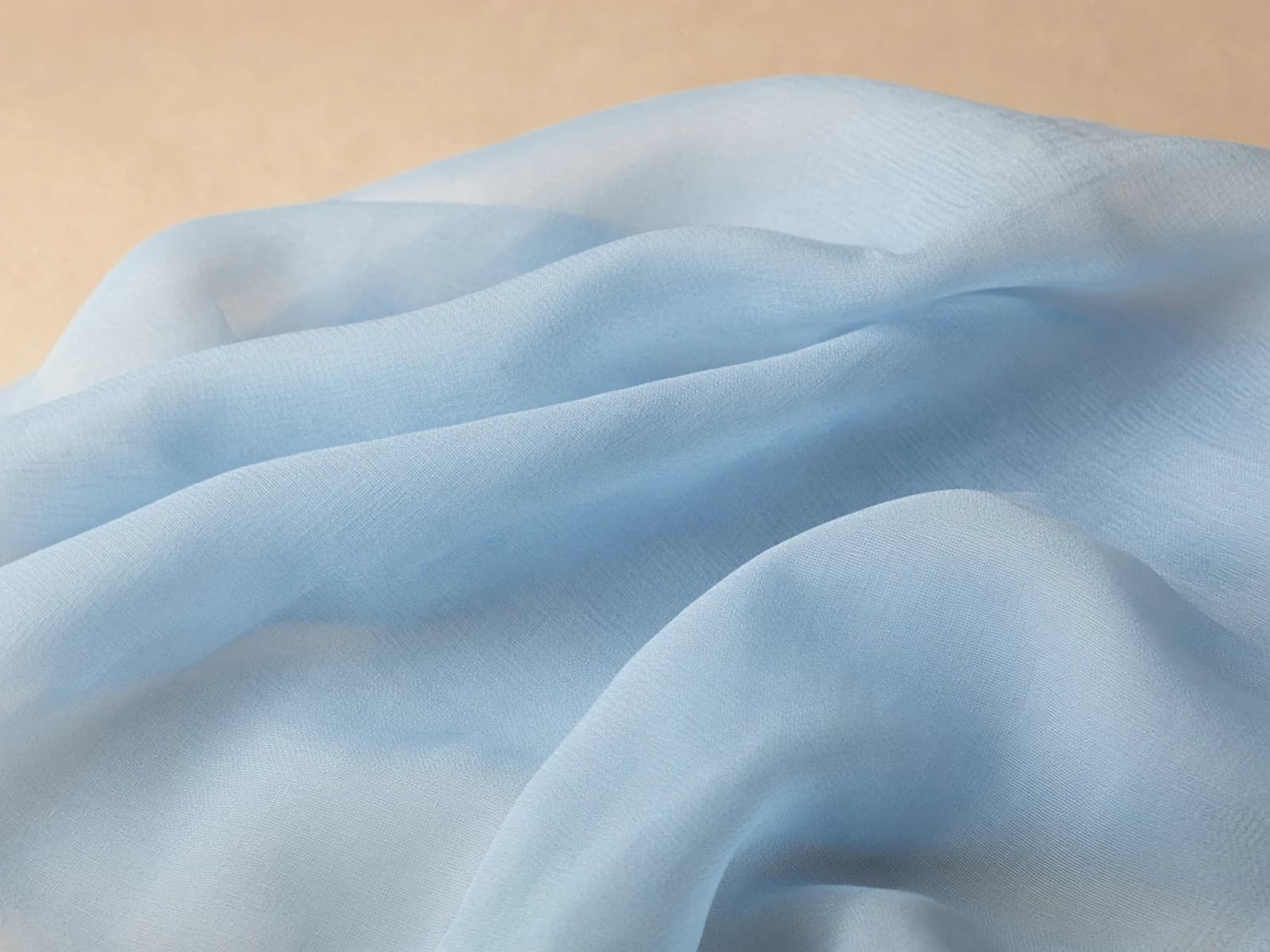
| Check | lightweight fabric | heavy fabric |
|---|---|---|
| What it is | Lightweight fabric sits in a lower mass band for its use. GSM is mass per square metre. Lower GSM is usually lighter cloth. | See the heavy fabric notes, not a synonym swap. |
| Feel | Often more fluid and cooler than a heavy counterpart in the same fibre. | Judge the peer on its own sample. |
| Mass | The whole point of the label is mass. Still confirm the number on the page. | Do not copy a GSM from one family to the other. |
| Typical use | Shirts, dresses, linings, and summer layers. | Match the peer to its own end use. |
| Watch-out | Show-through, weaker seams, and a cheap look if the yarn is poor. | The peer has its own limits. Read them. |
Does every lightweight fabric listing mean the same cloth?
No. Lightweight fabric sits in a lower mass band for its use. GSM is mass per square metre. Lower GSM is usually lighter cloth. Always read published GSM or ounce with construction. Light denim and light chiffon are not interchangeable.
Can you skip sampling lightweight fabric?
Hold to light. Check opacity and seam strength on a sample.
What should stay on the brief besides the keyword lightweight fabric?
Published mass, construction, opacity, and width. Using one lightweight number across shirts, denim, and coating.