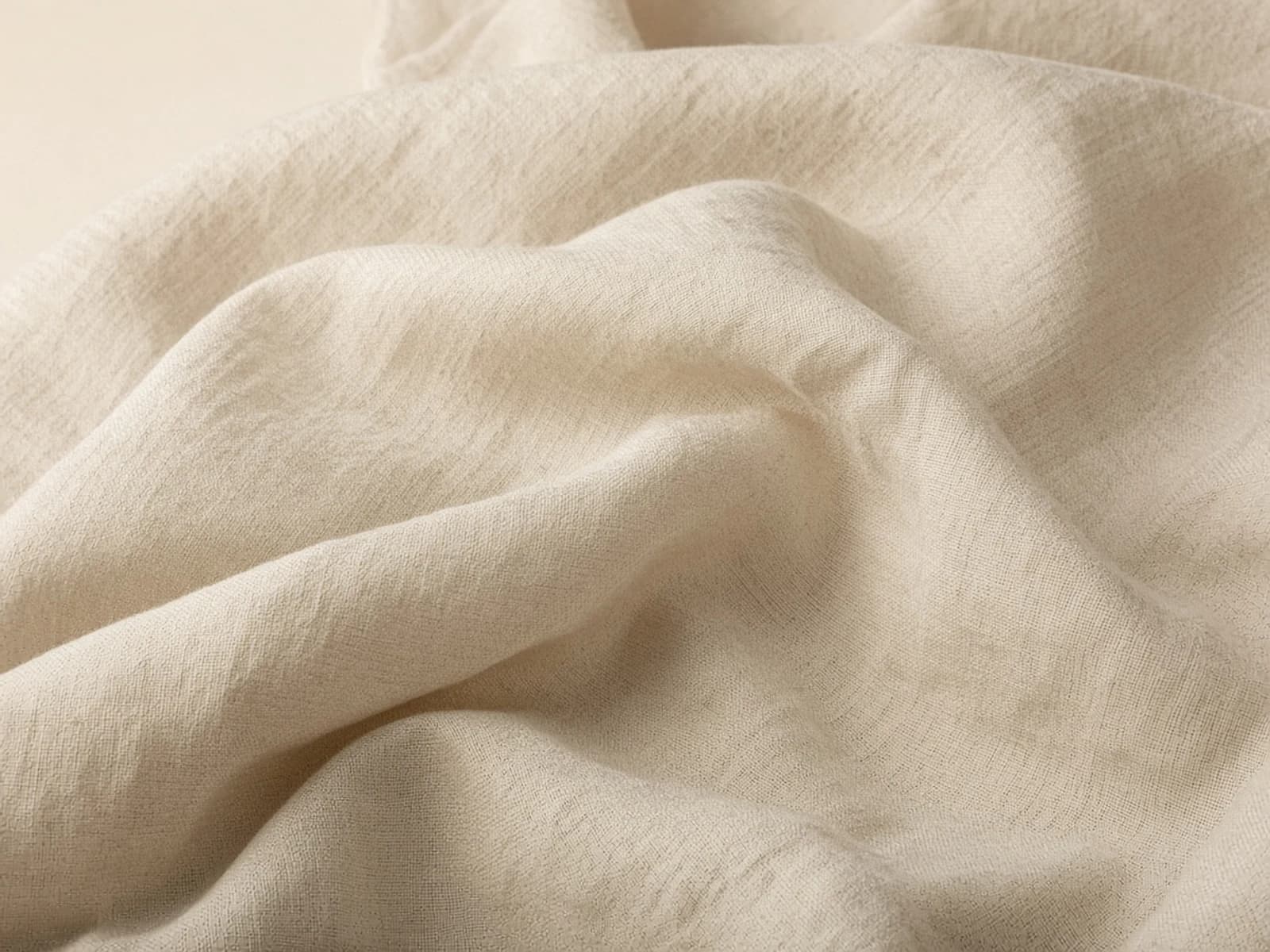
Warm-weather selection favours cloths that move air and do not cling, without becoming unintentionally sheer. Linen, lighter cottons and some cellulosics are common starting points. The season does not ban structure where a collar or waistband needs it.
Warm-weather selection favours cloths that move air and do not cling, without becoming unintentionally sheer. Linen, lighter cottons and some cellulosics are common starting points. The season does not ban structure where a collar or waistband needs it.
Why summer fabrics changes the brief
Summer failures are usually opacity and cling, not a missing trend colour. A beautiful light cloth that photographs the skin is the wrong outer layer.
Start with lightweight linen and cotton collections, then check shirt and dress Best For pages. Read GSM and sheer notes where published.
Using summer fabrics on a real cloth
Choose the cloth you can wear as a single layer in the colour you will actually cut, especially white and pale tones.
Do not equate summer with the lowest GSM in the catalog. A slightly firmer cloth can still be the right warm-weather shirt.
What to avoid with summer fabrics
Do not equate summer with the lowest GSM in the catalog. A slightly firmer cloth can still be the right warm-weather shirt.
Choose the cloth you can wear as a single layer in the colour you will actually cut, especially white and pale tones.
Keep the decision tied to summer fabrics, not to a swapped synonym.
Use only specs published on the fabric page.
Inquire with quantity and end use when a cloth matches.
Frequently asked questions
Is linen always the summer choice?
No. Linen is a strong option. Cotton and other light cloths can fit the same season with a different crease and collar.
Continue with published FabStitch fabrics
Open the marketplace or a related collection, compare the specs that are actually published, and inquire when a cloth matches the brief.