Loading fabrics
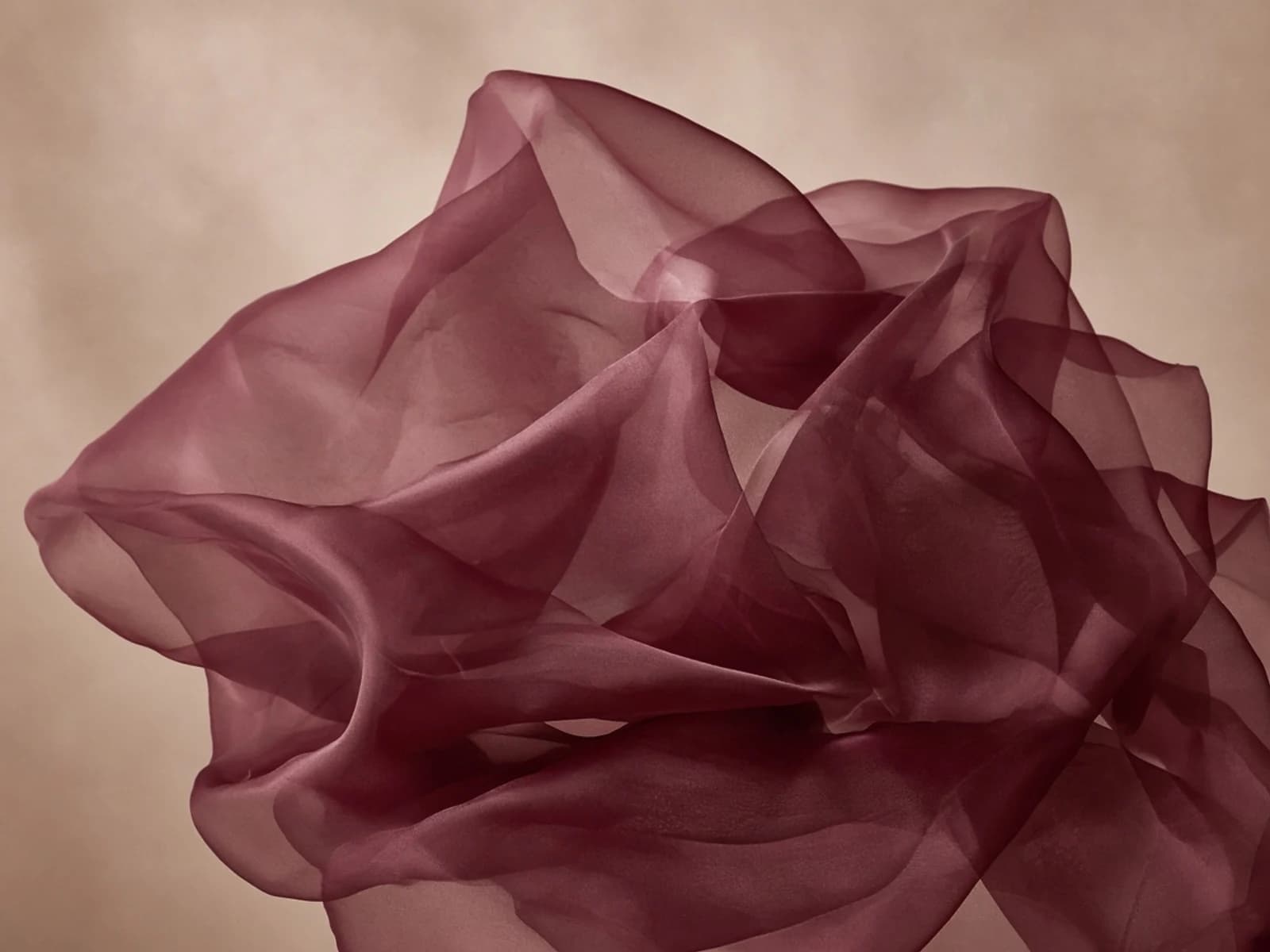
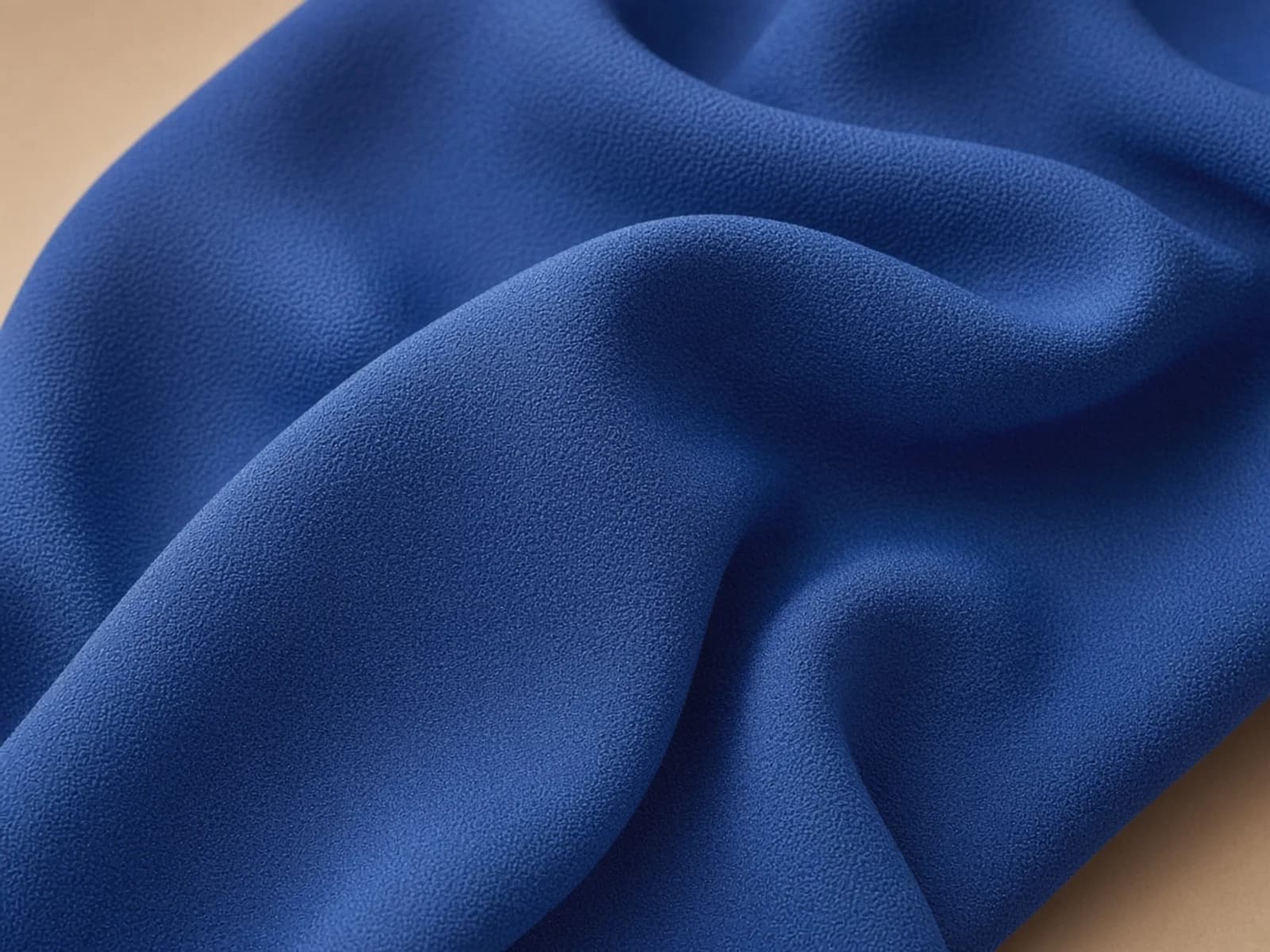
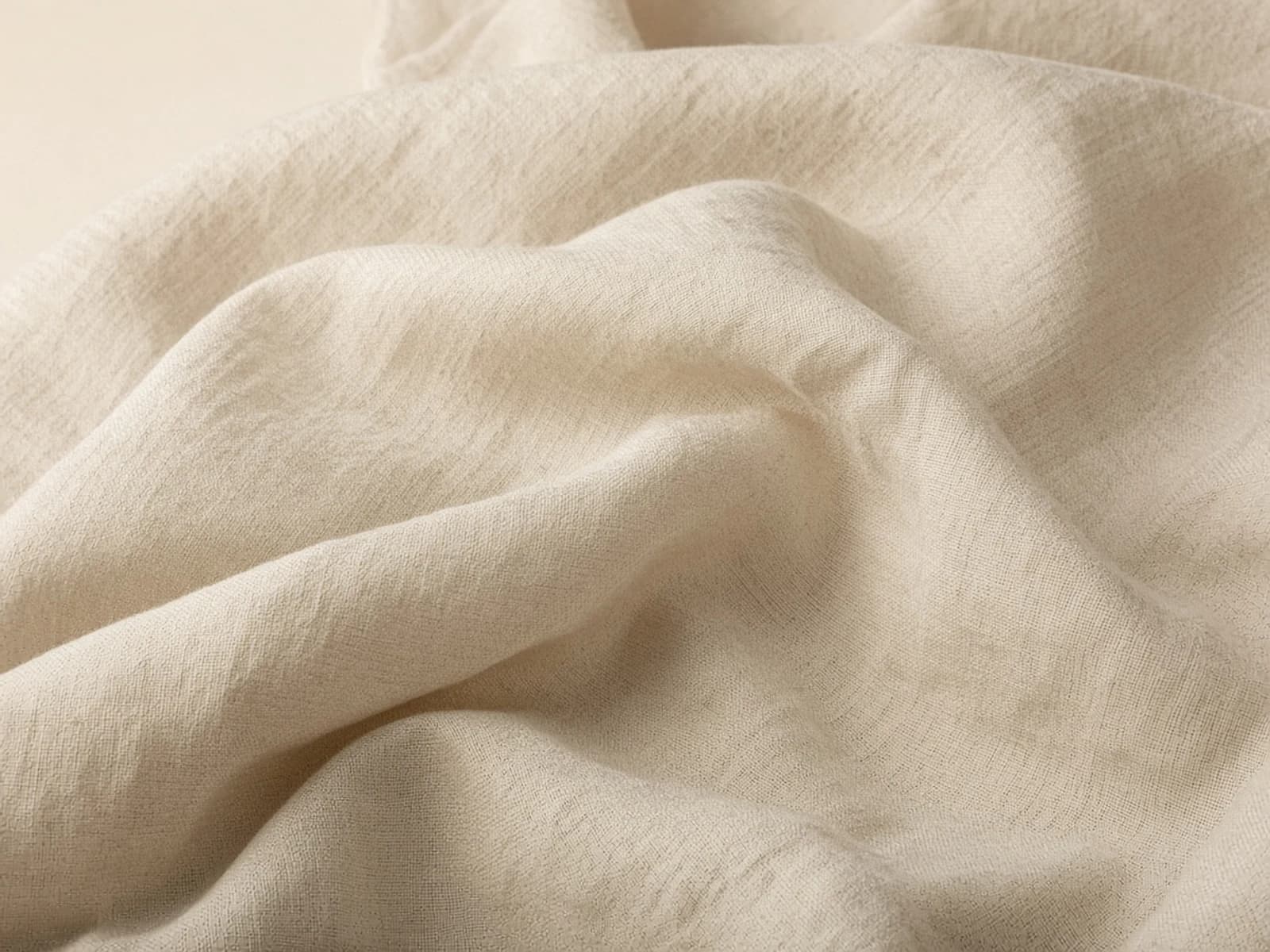
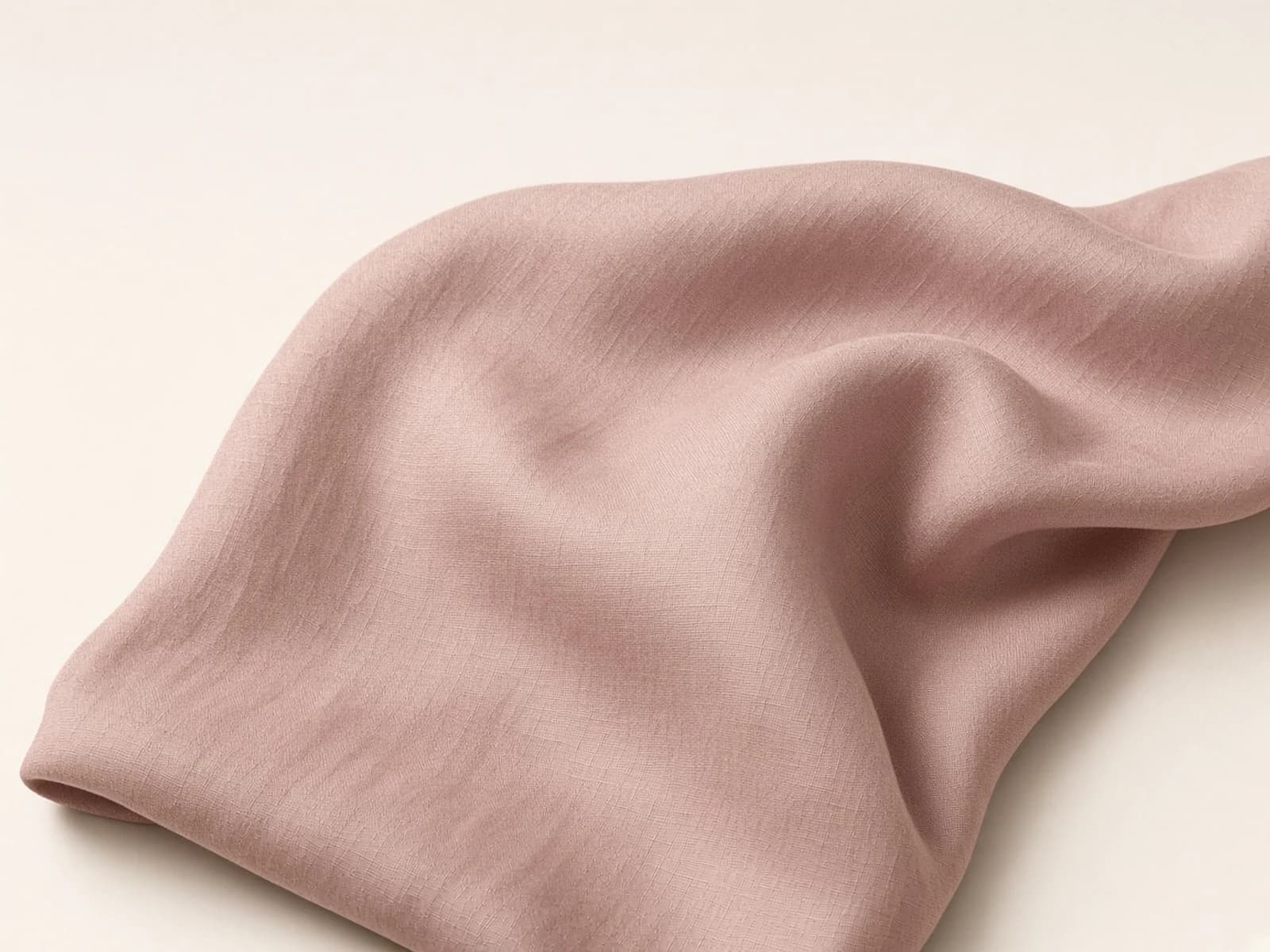
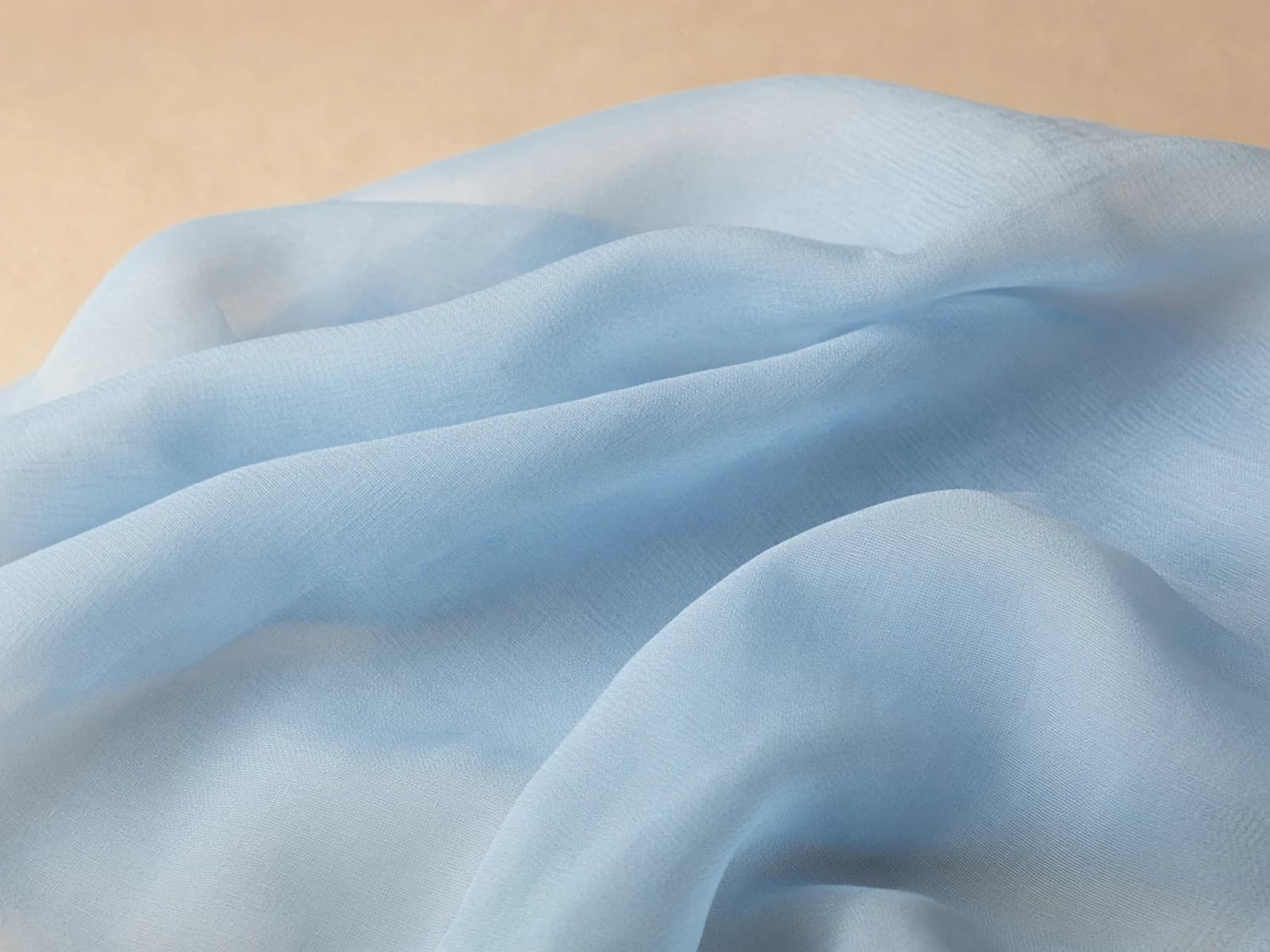
Fabric for dresses is chosen by silhouette: fluid for bias and slip shapes, structured for volume, sheer for layers. Compare drape, opacity, stretch and published weight before you inquire.
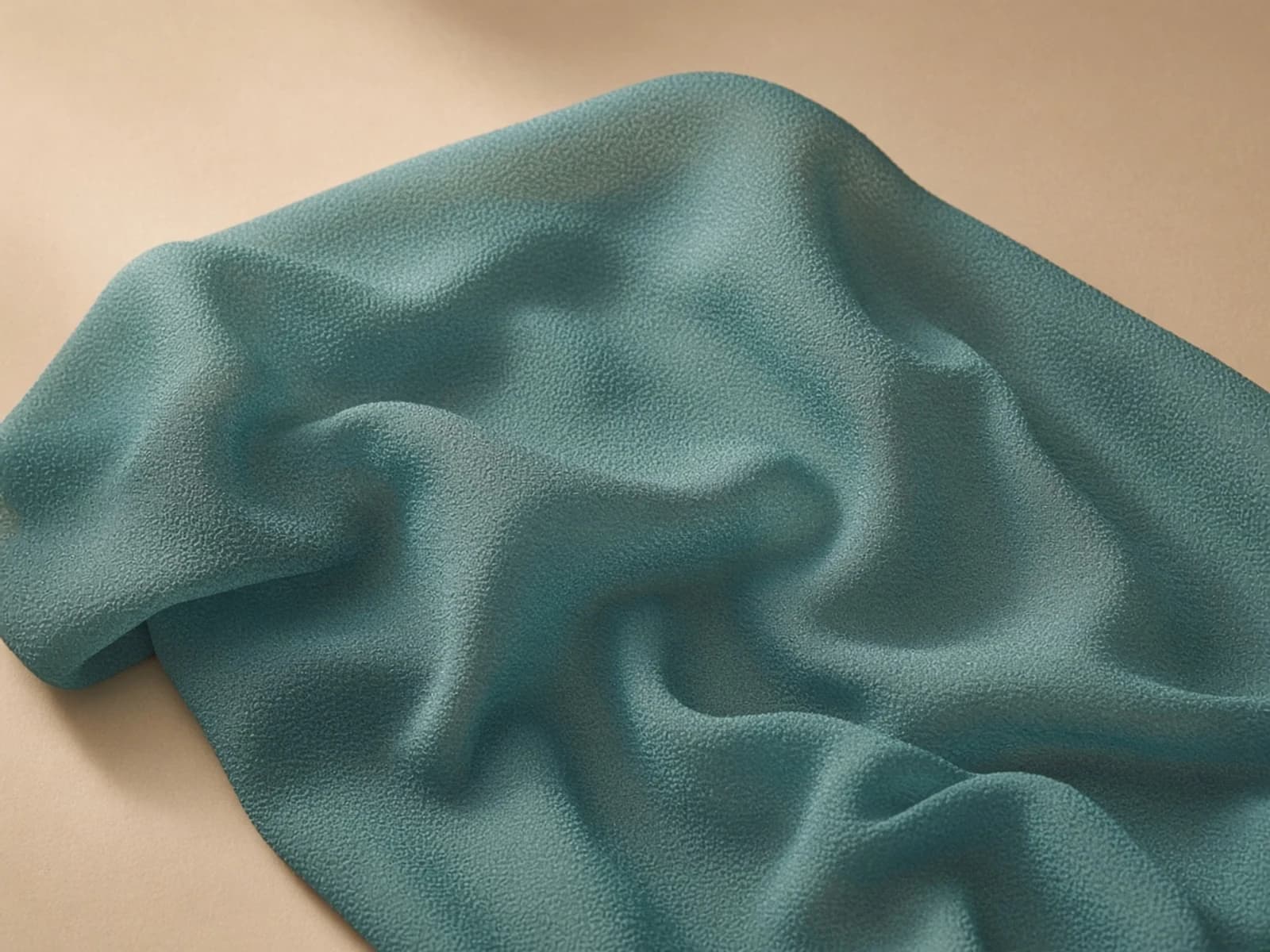
Common dressmaking directions include breathable linen and linen blends, cotton plains and soft cottons, fluid crepe, and silk sheers such as chiffon and georgette. Occasion programmes may need more body or shine — only when the fabric record supports it.
This page explains dress fabric choice. The dresses Best For edit lists fabrics documented for dressmaking so you can compare real product cards.
Women’s dress fabric searches often mix day dresses, slip silhouettes and occasion looks. Treat those as different briefs even when they share a fibre family.
Drape decides whether a dress hangs close or stands away. Opacity decides lining. Stretch decides fit strategy. Weight and GSM help with season and coverage, but never replace construction notes.
Do not invent “best dress fabric” rankings. Two silks or two cottons can answer different dresses. Read each named FabStitch specification.
Lightweight dress fabric programmes should still verify opacity in daylight conditions during sampling. A low-mass cloth can be surprisingly see-through.
Cotton dress fabric suits many day dresses when the construction is soft enough for movement. Linen dress fabric suits warm-weather and relaxed shapes when crease behaviour is acceptable. Silk sheers suit layered and occasion stories when opacity is managed.
Browse cotton, linen-lightweight and silk-sheer collections when fibre family leads; return here for silhouette guidance.
Fashion dress fabrics on FabStitch are still named catalog records — aesthetic direction does not replace composition and construction fields.
Dressmaking fabrics differ in seam finishing needs and lining. Mention silhouette and lining plans in the inquiry. For clothing-line sourcing process, use the fabric sourcing page alongside this guide.
When quantity is commercial, pair dress selection with wholesale fabric guidance. When you need mass education, open the fabric GSM and lightweight fabric guides without treating either as a universal quality score.
Named fabrics from the published catalog. Open a product page for composition, construction and inquiry.