

What helps identify a fabric?
The useful sources are the cloth's own record, a construction guide, and a laboratory when the fiber is disputed. FabStitch fabric pages state composition when it is documented. They are not a field guide to unnamed swatches. Third-party blogs can teach vocabulary. They do not certify a roll.
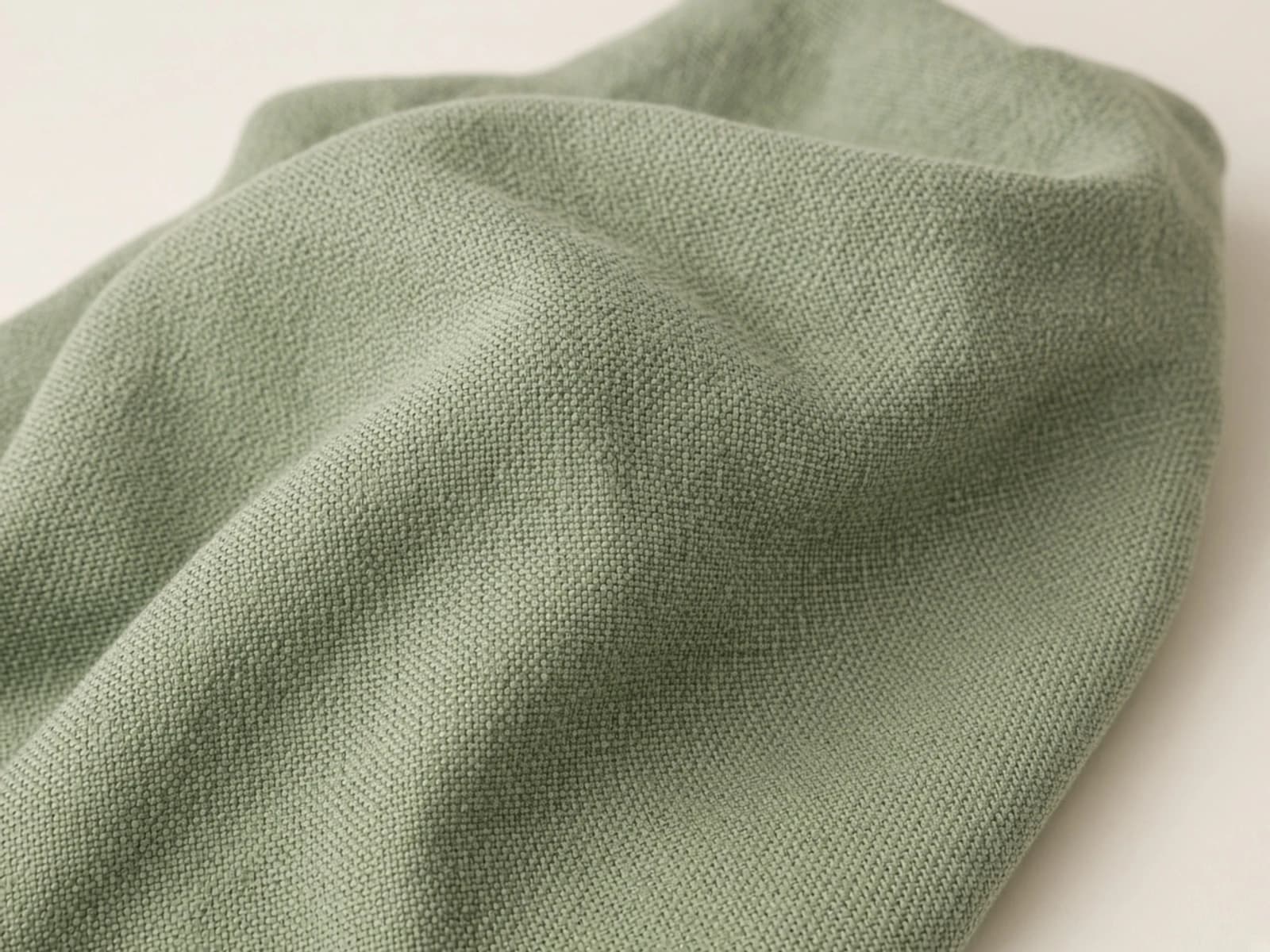
- Start with the listing.
- Use guides for weave and weight language.
- Use a lab for disputes.
What not to trust
A marketplace comment, a trend score, or a burn done in a kitchen is not a resource.
If the research report estimated popularity, that number is not evidence of fiber content.
How to use this answer
“What helps identify a fabric?” is the only question this page answers. The short answer is: The useful sources are the cloth's own record, a construction guide, and a laboratory when the fiber is disputed. FabStitch fabric pages state composition when it is documented. They are not a field guide to unnamed swatches. Third-party blogs can teach vocabulary. They do not certify a roll.
The points to keep are Start with the listing. Use guides for weave and weight language. Use a lab for disputes.
Related terms that belong here, and not as a keyword list, are textile testing. Use them when they describe the same decision.
If the next step is a cloth rather than a definition, open the marketplace or the collection linked below and read the published composition and construction. This page does not add a price, a certificate, or a supplier count.
Care, weight, and sourcing only matter here when they change the answer to fabric identification resources. Otherwise leave them on the guide that already owns that subject.
What this page will not decide
This page answers “What helps identify a fabric?” and stops there. It does not rank fabric identification resources against every other cloth, and it does not turn textile testing into a shopping list.
Take the answer to a fabric page when you need composition, construction, or a published weight. Leave any cell blank that the fabric page leaves blank.
The marketplace is the catalog. A question page is the explanation. Share the question URL when the reader needs the definition, and the fabric URL when the reader needs the cloth.
Related language that stays on this question, rather than on a neighbouring page, is textile testing. Use those words only when they describe the same decision.
Related questions
Does FabStitch publish a fiber dictionary as a test method?
No. The guides explain terms. Testing stays with a lab.