

Which fabrics work in hot weather?
Hot weather asks for airflow and a cloth that does not hold heat against the skin. Lightweight linen and cotton are common starts because their constructions can be open. A heavy cotton twill can still feel hot. A light synthetic can still feel close if it does not move moisture.
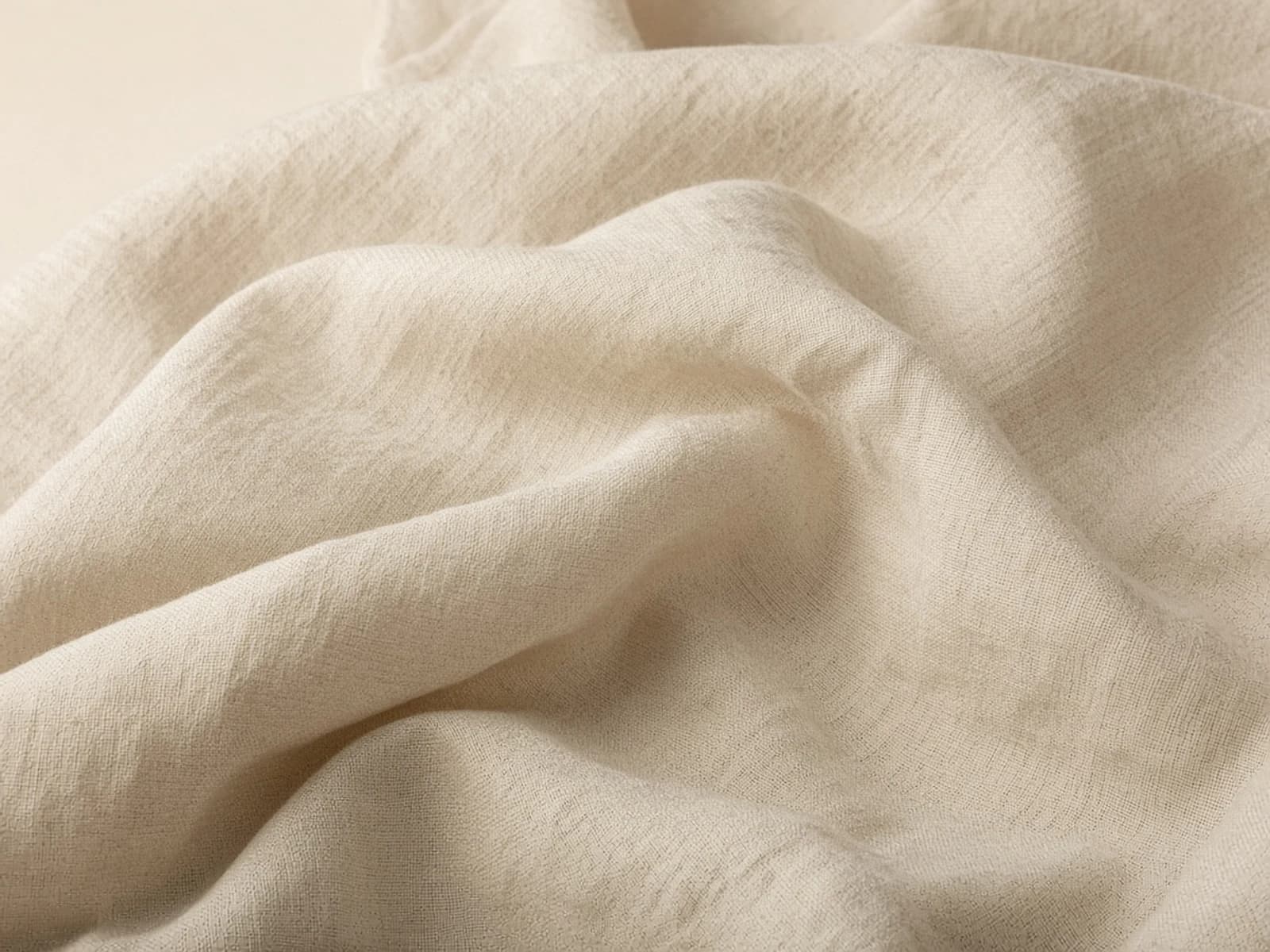
- Start with weight and openness, not a season slogan.
- Linen crease is normal, not a failure.
- Check opacity on sheers before you cut dresses.
What to specify
Name the garment, the climate, and whether the cloth must be opaque. Then compare published construction.
GSM helps only when the fabric page states it. A missing number is not a light cloth.
How to use this answer
“Which fabrics work in hot weather?” is the only question this page answers. The short answer is: Hot weather asks for airflow and a cloth that does not hold heat against the skin. Lightweight linen and cotton are common starts because their constructions can be open. A heavy cotton twill can still feel hot. A light synthetic can still feel close if it does not move moisture.
The points to keep are Start with weight and openness, not a season slogan. Linen crease is normal, not a failure. Check opacity on sheers before you cut dresses.
Related terms that belong here, and not as a keyword list, are summer fabric, breathable fabric, lightweight fabric. Use them when they describe the same decision.
If the next step is a cloth rather than a definition, open the marketplace or the collection linked below and read the published composition and construction. This page does not add a price, a certificate, or a supplier count.
Care, weight, and sourcing only matter here when they change the answer to fabrics for hot weather. Otherwise leave them on the guide that already owns that subject.
Related questions
Is linen always better than cotton in heat?
No. An open cotton voile can wear cooler than a heavy linen. Compare the cloths.