

How does new fabric differ from worn fabric?
New cloth still has mill finish. Worn cloth has lost some of that finish, and may have faded, pilled, or shone at rub points. A washed denim is designed to look worn. A suiting that shines at the seat is wear you may not want. They are not a quality ranking of old versus new.
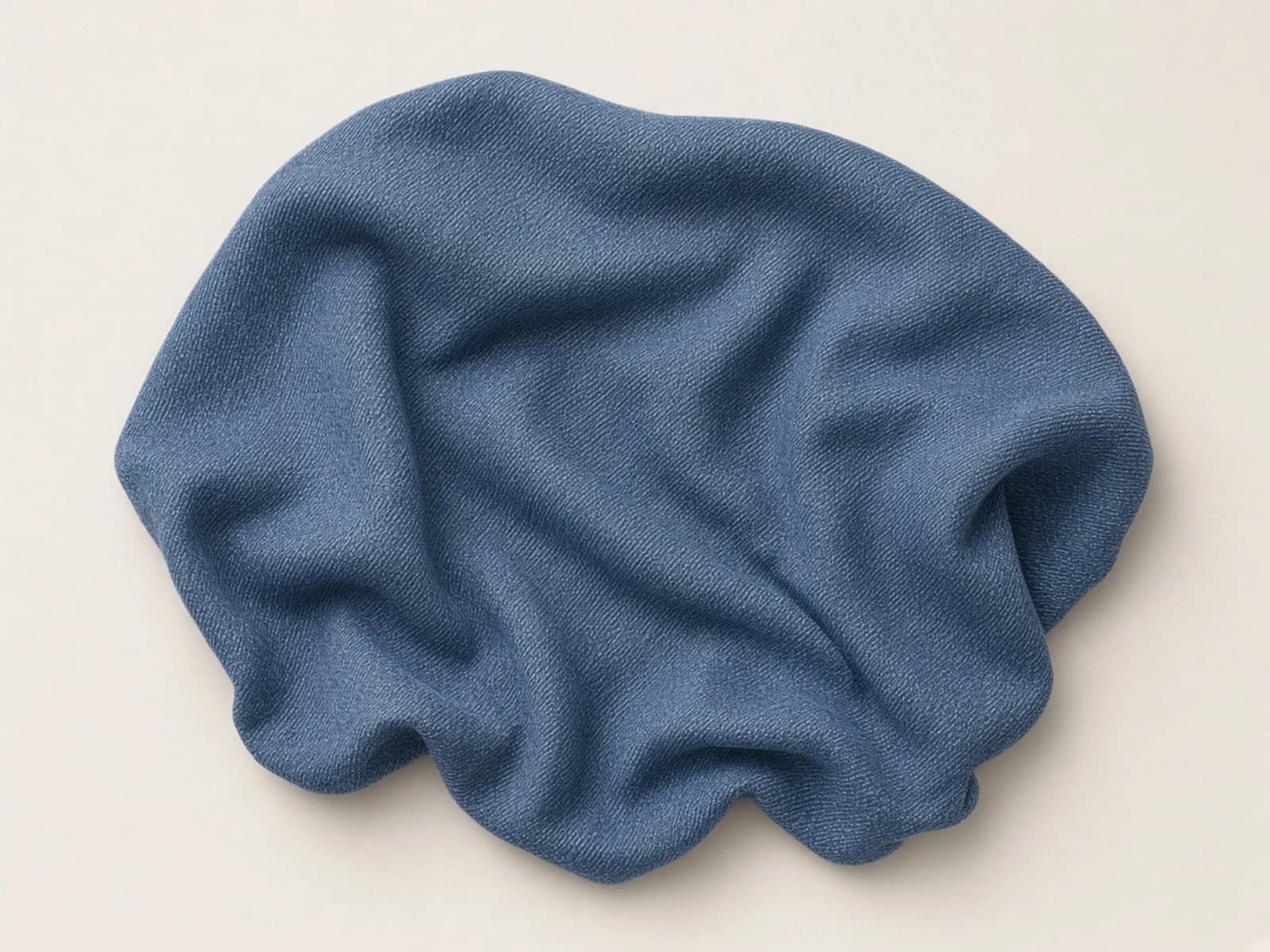
- Finish leaves with wash and rub.
- Some programs want that.
- Do not buy worn cloth expecting new hand.
Shirts and trousers
A new shirting can feel crisp and then relax.
Specify the hand you sell, not the hand after a year, unless you have washed it.
How to use this answer
“How does new fabric differ from worn fabric?” is the only question this page answers. The short answer is: New cloth still has mill finish. Worn cloth has lost some of that finish, and may have faded, pilled, or shone at rub points. A washed denim is designed to look worn. A suiting that shines at the seat is wear you may not want. They are not a quality ranking of old versus new.
The points to keep are Finish leaves with wash and rub. Some programs want that. Do not buy worn cloth expecting new hand.
Related terms that belong here, and not as a keyword list, are fabric hand after wear. Use them when they describe the same decision.
If the next step is a cloth rather than a definition, open the marketplace or the collection linked below and read the published composition and construction. This page does not add a price, a certificate, or a supplier count.
Care, weight, and sourcing only matter here when they change the answer to new and worn fabric. Otherwise leave them on the guide that already owns that subject.
Related questions
Is worn fabric lower quality?
Only if the brief wanted the original finish and it is gone.