

Comparing crepe and satin
A marketplace shortlist can hold crepe and satin at the same time. They are not interchangeable just because both can be cut into apparel.
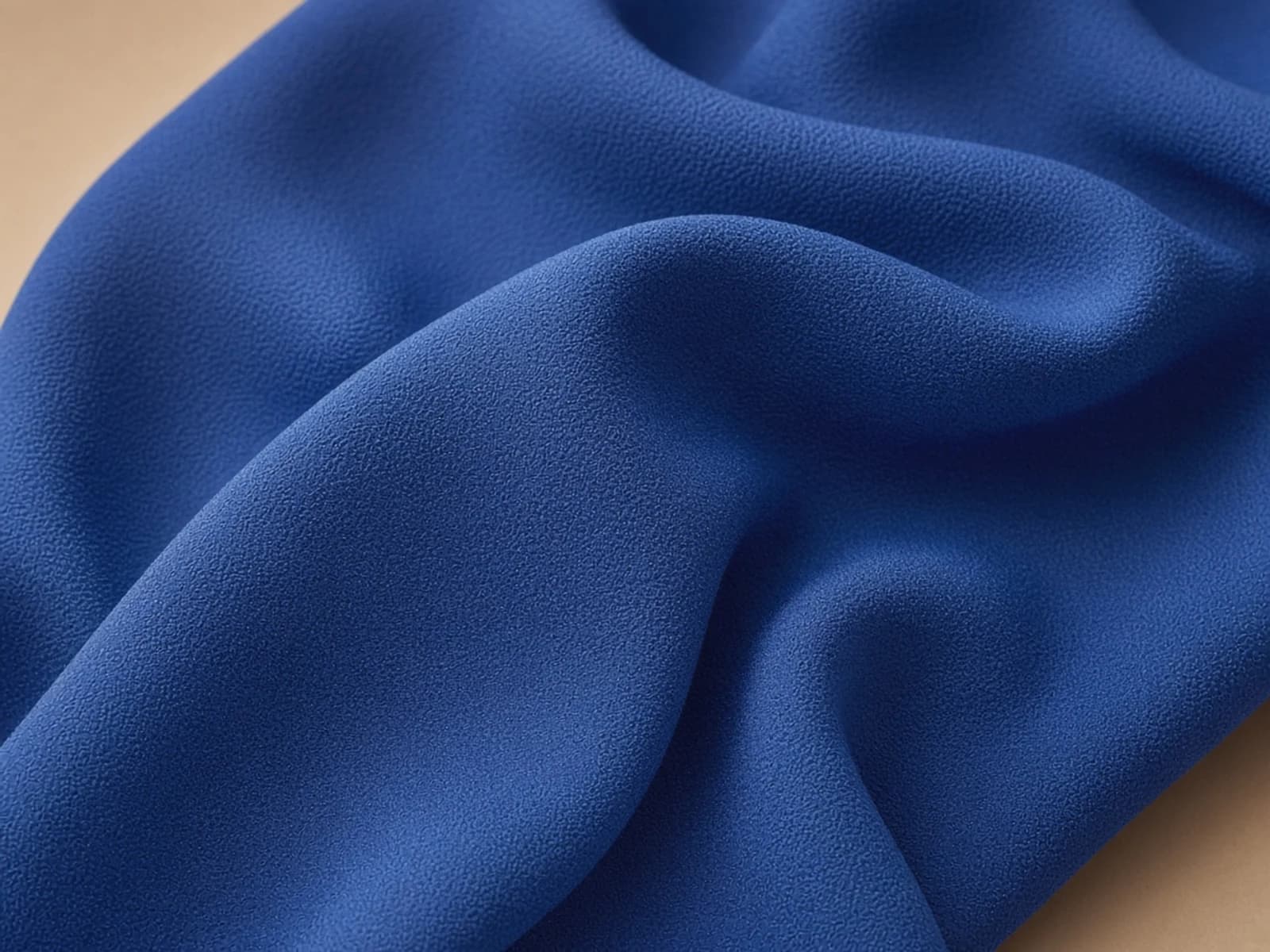
What crepe contributes
Crepe is filed here as textured woven. One reason to open it is useful for dresses and soft tailoring. One reason to sample is do not assume silk crepe behaviour for all crepes.
Crepe pages should be read for construction and weight, not only for the fibre name.
What satin contributes
Satin is filed here as satin weave. One reason to open it is lustrous face for occasion and evening programmes. One reason to sample is fibre care varies.
Satin belongs in the shortlist only when its published construction fits the garment.
How to choose without a winner
Keep crepe when matte textured face that hides minor creasing is the constraint you cannot drop.
Keep satin when clear visual identity when well chosen matters more. Leave GSM blank if the fabric page does not publish it.
Hand and weight
Dry, granular, with fluid or structured drape depending on fibre and density.
Smooth, often lustrous face with a softer reverse. Float length affects snag risk.
Dress-weight crepes and suiting crepes diverge quickly — use published GSM and end-use notes. From fluid dress satins to denser lining satins — weight and opacity must match the garment.
Sourcing the shortlist
Name the garment and fibre first. Crepe is a surface/construction character, not a complete brief.
Treat satin as a weave decision, then confirm fibre and opacity for the silhouette.
Open both families in the marketplace, then inquire with the garment and quantity. Do not treat either fibre as cheaper, larger, or universally better.
How FabStitch fits this question
Comparing crepe and satin is a sourcing note, not a product listing and not a second marketplace. The commercial catalog stays at /marketplace/, and each named fabric keeps its own product page with composition, construction, and documented uses.
Open a fabric only when the published fields match the brief you already have. Then inquire with metres and garment context. FabStitch handles supplier sourcing after the inquiry — this page does not quote a price, invent stock, or claim a certificate the fabric page never published.
When Crepe appears in the shortlist, read that fibre's construction and weight notes before you treat two cards as interchangeable.
What to do next
Return to the marketplace and apply the narrowest filter that still matches the brief. Prefer a named fabric page over sharing a filtered URL — filtered marketplace states stay noindex.
Open two fabric pages side by side and compare only published fields: composition, construction, weight when present, and Best For uses. Leave GSM blank in the inquiry when the page does not publish it.
When the shortlist is ready, inquire with quantity from the fabric page. Do not treat this topic URL as the product.
| Crepe | Satin | |
|---|---|---|
| Family | textured woven | satin weave |
| Often considered for | dresses, blouses, trousers | dresses, linings, blouses |
| A strength to test | Useful for dresses and soft tailoring | Lustrous face for occasion and evening programmes |
| A watchout | Fibre determines care and recovery | Not automatically ‘silk’ — read composition |
Questions
- Is crepe always better than satin?
- No. The garment, construction and published weight decide. Reputation is not a spec.
- Is “Comparing crepe and satin” a fabric you can buy on this URL?
- No. This page explains a search question. Buyers compare fabrics on product pages and submit an inquiry with quantity. FabStitch sources from suppliers after that inquiry.
- Should I share a filtered marketplace link instead?
- Share either https://fabstitch.net/marketplace/ or a specific fabric page. Filtered marketplace URLs are working states, not canonical commercial destinations.