

Comparing oxford and twill
A marketplace shortlist can hold oxford and twill at the same time. They are not interchangeable just because both can be cut into apparel.
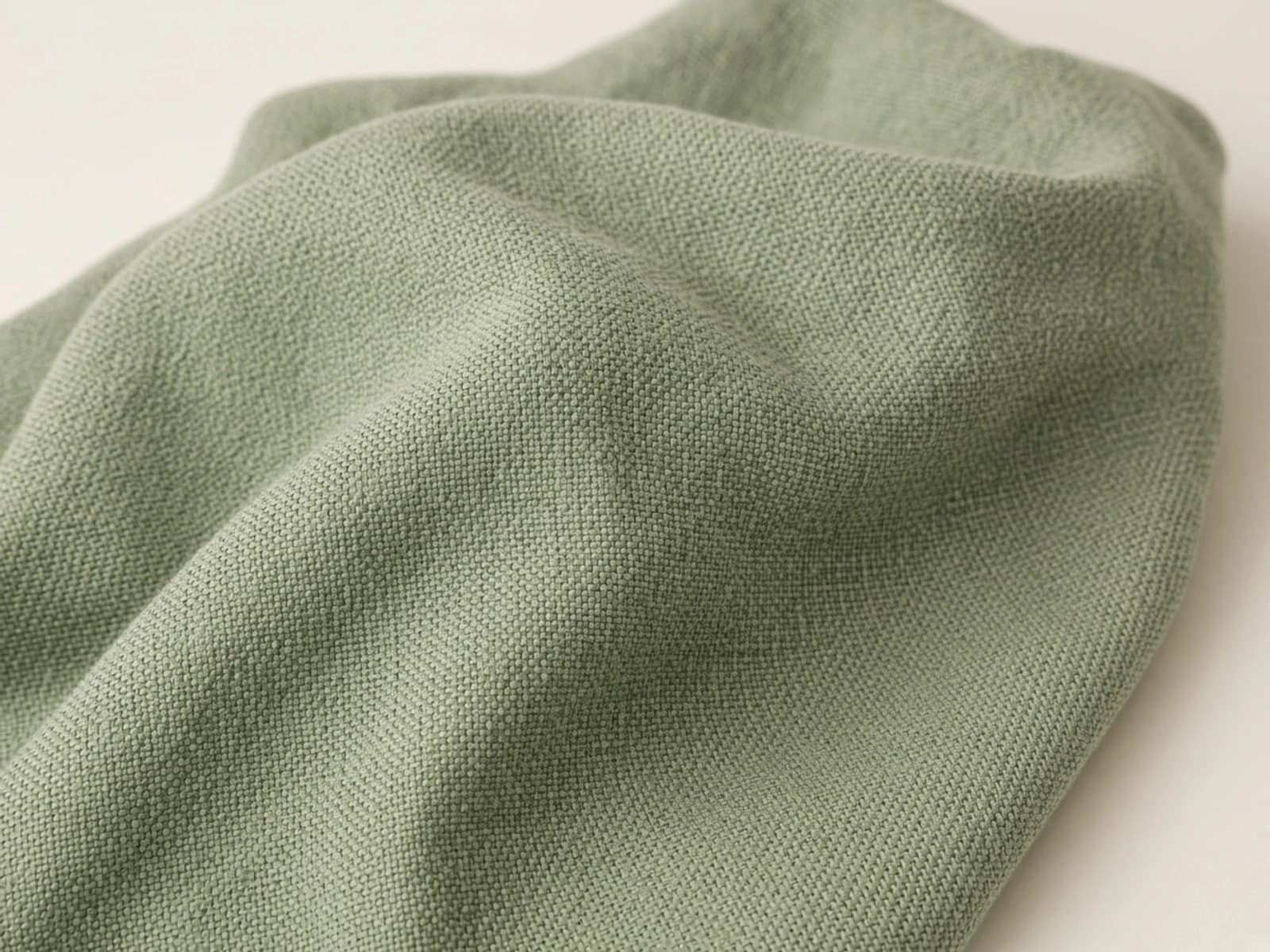
What oxford contributes
Oxford is filed here as shirting weave. One reason to open it is good everyday durability in many programmes. One reason to sample is not identical to poplin — surface and opacity differ.
Oxford pages should be read for construction and weight, not only for the fibre name.
What twill contributes
Twill is filed here as diagonal weave. One reason to open it is good commercial clarity for workwear. One reason to sample is fibre still decides care and seasonality.
Twill belongs in the shortlist only when its published construction fits the garment.
How to choose without a winner
Keep oxford when reliable casual and smart-casual shirt language is the constraint you cannot drop.
Keep twill when durable structure for trousers and jackets matters more. Leave GSM blank if the fabric page does not publish it.
Hand and weight
Soft-crisp with a subtle texture; softer than many poplins in casual shirt programmes.
Usually denser and more durable-feeling than comparable plain weaves, with drape depending on yarn and fibre.
Usually light-to-mid shirt weights. Spans shirting twills through trouser and jacket weights.
Sourcing the shortlist
Choose oxford when you want a textured shirt cloth rather than a flat poplin face.
Use twill when diagonal structure and durability support the garment — then confirm fibre and weight.
Open both families in the marketplace, then inquire with the garment and quantity. Do not treat either fibre as cheaper, larger, or universally better.
How FabStitch fits this question
Comparing oxford and twill is a sourcing note, not a product listing and not a second marketplace. The commercial catalog stays at /marketplace/, and each named fabric keeps its own product page with composition, construction, and documented uses.
Open a fabric only when the published fields match the brief you already have. Then inquire with metres and garment context. FabStitch handles supplier sourcing after the inquiry — this page does not quote a price, invent stock, or claim a certificate the fabric page never published.
When Oxford appears in the shortlist, read that fibre's construction and weight notes before you treat two cards as interchangeable.
What to do next
Return to the marketplace and apply the narrowest filter that still matches the brief. Prefer a named fabric page over sharing a filtered URL — filtered marketplace states stay noindex.
Open two fabric pages side by side and compare only published fields: composition, construction, weight when present, and Best For uses. Leave GSM blank in the inquiry when the page does not publish it.
If the material family is already fixed, open the Oxford collection hub, then inquire from a named fabric — not from this topic URL.
| Oxford | Twill | |
|---|---|---|
| Family | shirting weave | diagonal weave |
| Often considered for | shirts, blouses, uniforms | trousers, jackets, uniforms |
| A strength to test | Familiar buyer shorthand | Flexible fibre platforms |
| A watchout | Stretch oxfords need recovery checks | Not automatically denim |
Questions
- Is oxford always better than twill?
- No. The garment, construction and published weight decide. Reputation is not a spec.
- Is “Comparing oxford and twill” a fabric you can buy on this URL?
- No. This page explains a search question. Buyers compare fabrics on product pages and submit an inquiry with quantity. FabStitch sources from suppliers after that inquiry.
- Should I share a filtered marketplace link instead?
- Share either https://fabstitch.net/marketplace/ or a specific fabric page. Filtered marketplace URLs are working states, not canonical commercial destinations.