

Which fabrics suit winter clothing?
Winter clothing needs cover and, often, a cloth that traps still air. Wool suitings, coating cloths, and denser knits are usual candidates. A high GSM number alone does not prove warmth, and a lined lighter cloth can wear warmer than a heavy open weave.
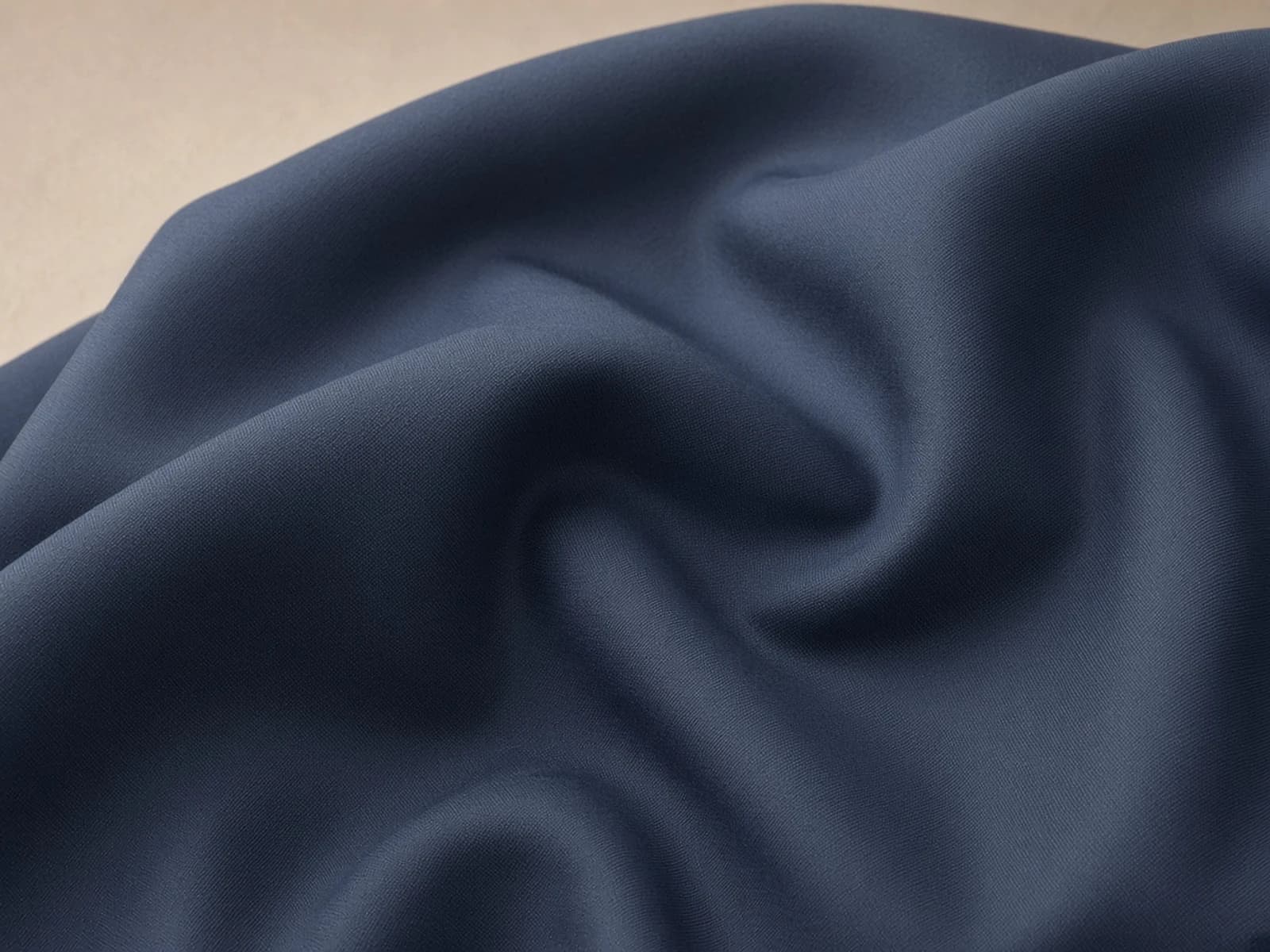
- Insulation is structure plus layering, not a fiber trophy.
- Read published weight when it exists.
- Do not treat fleece, wool, and denim as interchangeable.
What changes the shortlist
A coat, a shirt, and a base layer do not share a GSM. Start from the garment.
Stretch and hand still matter for trousers. A dense cloth that does not recover can fail a fitted brief.
How to use this answer
“Which fabrics suit winter clothing?” is the only question this page answers. The short answer is: Winter clothing needs cover and, often, a cloth that traps still air. Wool suitings, coating cloths, and denser knits are usual candidates. A high GSM number alone does not prove warmth, and a lined lighter cloth can wear warmer than a heavy open weave.
The points to keep are Insulation is structure plus layering, not a fiber trophy. Read published weight when it exists. Do not treat fleece, wool, and denim as interchangeable.
Related terms that belong here, and not as a keyword list, are winter fabric, wool fabric, insulating fabric. Use them when they describe the same decision.
If the next step is a cloth rather than a definition, open the marketplace or the collection linked below and read the published composition and construction. This page does not add a price, a certificate, or a supplier count.
Care, weight, and sourcing only matter here when they change the answer to fabrics for winter. Otherwise leave them on the guide that already owns that subject.
Related questions
Does GSM above 300 mean a winter fabric?
No. GSM is mass per area. Use it with construction. The research ranges are planning notes, not FabStitch scores.